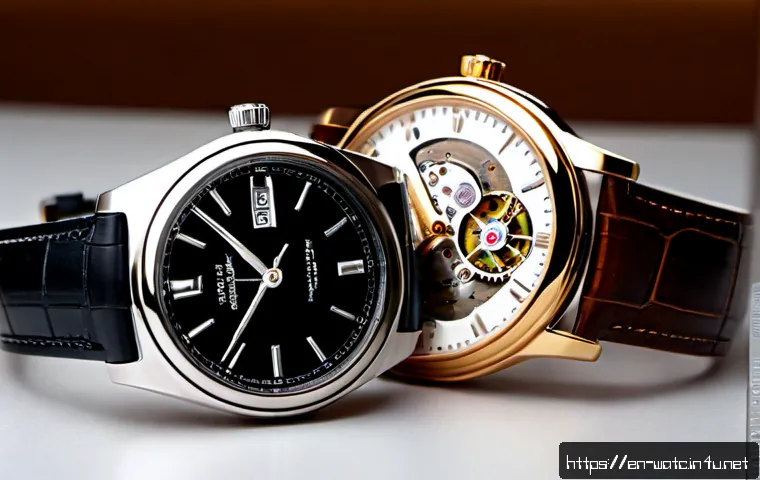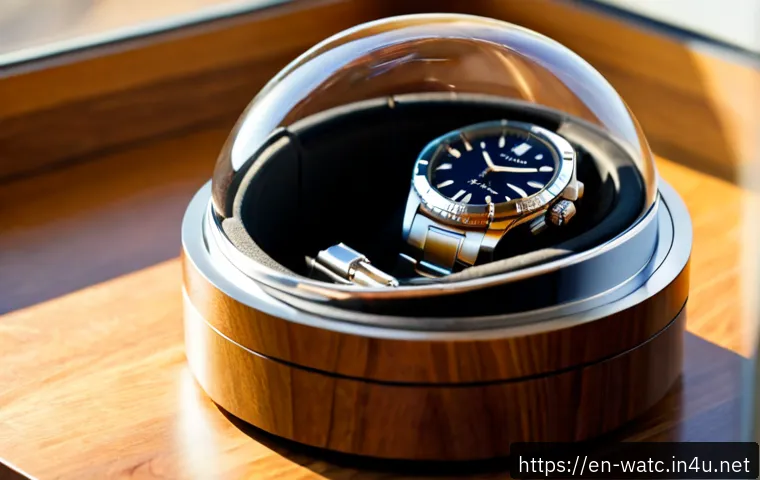
A watch winder should match your automatic watch’s movement, not simply run at the highest available speed. Start with the manufacturer’s recommended rotation direction and turns-per-day (TPD), then use rest intervals rather than continuous motion.
A winder can be convenient for watches worn in rotation, especially those with calendar complications, but it is not necessary for every automatic watch.
For a single simple watch worn often, careful storage may be the better-value choice. Before buying, compare adjustable settings, cushion fit, motor noise, power options, and warranty coverage.
At a Glance
- A watch winder rotates an automatic mechanical watch to help keep its mainspring wound while it is not being worn.
- The right rotation direction and TPD setting depend on the watch movement, not on the winder’s maximum speed.
- A winder is a convenience accessory, not a repair tool for poor timekeeping, damage, or mechanical faults.
| Comparison Point | Option | Best Fit | What to Check |
|---|---|---|---|
| Capacity | Single-watch winder | One automatic watch or a small collection | Secure cushion fit, suitable settings, and quiet operation |
| Capacity | Multi-watch winder | Several watches worn in rotation | Whether each position can suit the watches you own |
| Controls | Basic rotation modes | Owners who know their watch’s required settings | Clockwise, counterclockwise, or bidirectional options |
| Controls | Programmable TPD controls | Mixed collections or watches with different requirements | Adjustment range and practical rest intervals |
| Power | AC-powered or battery-powered | Home display, storage, or travel needs | Placement flexibility, backup needs, and operating noise |
The Safe Starting Point for Using a Watch Winder
Begin by confirming that the watch is actually suitable for a winder. The goal is simple: keep an automatic watch running while it is off your wrist without using more rotation than the movement requires. A careful setup is more important than a high-capacity case, premium exterior, or maximum-speed mode.
Check That the Watch Is Automatic, Not Manual-Wind or Quartz
A watch winder is designed for an automatic mechanical watch, which winds through rotor movement. A manual-wind watch generally should not be placed in a winder because it is not designed to wind through rotor movement. Quartz watches also do not need a winder for normal operation.
If you are uncertain about the movement type, check the watch documentation before placing it on a rotating cushion. This is especially important for older watches and models with an unknown service history.
Start With the Manufacturer-Recommended Direction and TPD
Automatic watches can differ in their recommended rotation direction and turns per day (TPD). Many modern winders offer clockwise, counterclockwise, bidirectional, and programmable modes, but those options are useful only when they match the watch’s needs.
The safest source is the manufacturer documentation for the specific model. If that information is unavailable, an authorized service professional can help confirm suitable winding requirements. Do not assume that settings which work for one automatic watch will work for another.
Use a Low, Conservative Program When the Specification Is Unavailable
When you cannot verify the exact direction or TPD, avoid treating the winder like a “set it and forget it” machine. Use a conservative program with rest periods and observe the watch instead of selecting continuous rotation or the highest setting.
Most practical winding programs include pauses. Those rest intervals matter because a winder is meant to provide periodic motion, not constant activity. If the watch does not maintain its power reserve or keeps poor time, do not solve the issue by increasing the setting without confirmation.
Set Up the Winder Step by Step
Correct placement protects the strap or bracelet and helps the watch stay stable during rotation. Before switching the unit on, make sure the watch is seated securely, the selected program is appropriate, and the storage area is clean and stable.
Secure the Watch on the Cushion Without Compressing the Strap or Bracelet
Fit the watch around the cushion so it is held securely but not forced into place. A pillow that is too large may compress a leather strap or place unnecessary stress on a bracelet clasp. A pillow that is too small may allow the watch to shift while the winder moves.
When comparing a watch winder, inspect the cushion size and retention system, not only the exterior finish. A good-looking case offers little value if the watch cannot sit safely inside it.
Select Rotation Direction, Turns Per Day, and Rest Periods
Choose the direction and TPD based on confirmed movement guidance whenever possible. Select a program that includes rest intervals rather than uninterrupted motion. Bidirectional rotation may be available on many winders, but availability alone does not mean it is automatically right for every watch.
For a multi-watch winder, review how settings are applied across the unit. A collection may include movements with different needs, so capacity is not the only buying criterion. Adjustable controls can be more useful than extra slots that cannot be configured appropriately.
Monitor Power Reserve and Timekeeping During the First Few Days
During the first few days, check whether the watch remains running and whether its timekeeping appears normal for that watch. This observation is a setup check, not a diagnosis. A winder cannot repair damage, worn lubricants, or a mechanical fault.
If the watch stops, loses time unexpectedly, or shows a problem that was present before using the winder, review the settings and seek qualified service guidance rather than repeatedly changing programs.
Compare Features Before Paying for a Watch Winder
A watch winder comparison should focus on compatibility and daily practicality. Price and appearance matter to some buyers, but the useful features are the ones that let you operate the winder safely in your actual storage space.
Single-Watch vs. Multi-Watch Capacity
A single-watch winder can be enough for one automatic watch that is not worn every day. It may also be the simpler option if you want to confirm fit, motor noise, and settings before adding more equipment.
A multi-watch winder may make sense for a collection that is worn in rotation. Before paying for additional capacity, consider whether all positions provide suitable cushioning and whether the watches need different rotation programs. More slots do not automatically mean better value.
Basic Rotation Modes vs. Programmable TPD Controls
Basic models may offer a limited selection of clockwise, counterclockwise, or bidirectional settings. They can be practical when the watch’s requirements are known and available modes match them.
Programmable models offer more flexibility for owners with different automatic movements. Look closely at the actual adjustment options rather than assuming the word “programmable” guarantees compatibility. The key question is whether you can select the direction, TPD, and rest pattern your watch needs.
AC Power, Battery Backup, Motor Noise, and Warranty Considerations
AC-powered winders can be practical for a fixed display or storage location. Battery-powered operation may offer more placement flexibility. Consider where the unit will sit and whether nearby operation noise would be distracting.
Also review the stated warranty coverage and support terms before buying. Long-term motor durability, noise control, and reliability vary by product and cannot be assumed from appearance alone. Product details should clarify the available power options, included accessories, and coverage conditions.
Avoid These Common Watch Winder Mistakes
Most watch winder problems come from assumptions: assuming every watch needs one, assuming more rotation is better, or assuming the winder can compensate for a watch that needs attention.

Running a Watch Continuously at the Maximum Setting
Continuous rotation is not the same as correct winding. Practical programs generally include rest intervals, and the highest setting may be unnecessary for a particular movement. Follow confirmed guidance instead of choosing a program based on speed alone.
Assuming Every Automatic Watch Needs a Winder
Many automatic watches can simply be stored when not worn. If restarting and setting the watch is easy for your routine, a winder may offer little benefit. For an occasional-wear watch with a simple time-and-date display, storage can be the more sensible choice.
Using a Winder to Ignore Poor Timekeeping or Service Needs
A winder keeps an appropriate automatic watch moving; it does not repair it. Damage, worn lubricants, and mechanical faults require proper assessment. Do not use stronger settings to mask a watch that stops or performs poorly.
When a Winder Makes Sense—and When Storage Is Better
The best choice depends on how often you wear the watch, how difficult it is to reset, and whether the movement’s requirements are known. Convenience is valid, but it should be weighed against cost, storage conditions, and the condition of the watch.
Watches Worn in Rotation and Models With Calendar Complications
A winder can be useful when you rotate between automatic watches and prefer them to remain running. It may be particularly convenient for watches with calendar complications, where resetting can take more effort than setting a simple display.
That convenience still depends on confirmed compatibility. Keep the watch in a clean, stable location away from unnecessary dust, vibration, humidity concerns, and magnetic exposure.
Occasional-Wear Watches With Simple Time-and-Date Displays
For a simple automatic watch worn only occasionally, storing it stopped may be entirely reasonable. You can wind, set, and wear it when needed. In this situation, the added cost and space of a winder may not be justified by the convenience it provides.
Vintage, Damaged, or Unknown-Condition Watches
Use additional caution with vintage watches, damaged watches, or watches with an unknown condition. Whether a particular vintage model is suitable for routine winder use may require individual confirmation. Manufacturer information may not be available, and an authorized service professional is the safer source for guidance.
Choosing the Right Watch Winder: Final Comparison Checklist
Confirm Movement Compatibility Before Choosing Price or Appearance
First, verify that the watch is automatic and identify its recommended direction and TPD. A stylish case, extra capacity, or luxury materials cannot compensate for incompatible settings.
Prioritize Adjustable Settings, Secure Fit, Quiet Operation, and Support
Focus on rotation controls, TPD adjustment, rest intervals, cushion fit, noise level, power options, and warranty coverage. These are the features that affect daily use more directly than cosmetic details.
Decide Whether Convenience Justifies the Cost for Your Collection
A single-watch model can suit one frequently rotated automatic watch. A multi-watch model can be practical for a larger collection, provided the available settings and fit work for the watches you own. Compare settings, fit, noise level, and warranty before paying for extra capacity. Check the product page for the exact operating modes, dimensions, power options, and warranty conditions.
Selection Criteria and Comparison Summary
Before choosing a watch winder, confirm these points: the watch is automatic; the direction and TPD can be verified; the cushion fits without compressing the strap or bracelet; the unit offers practical rest intervals; the motor noise suits the intended room; and the warranty coverage is clear. For many buyers, adjustability and secure fit are more valuable than decorative finishes or unused capacity. If your watch is easy to reset and rarely worn, careful storage may be the better purchase decision.
In Closing
A watch winder is primarily a convenience tool for compatible automatic watches. Use confirmed movement settings, start conservatively when details are unavailable, and avoid continuous maximum-speed operation. Keep the winder in a suitable storage environment and remember that it cannot correct a mechanical problem. The right choice is the one that fits both your watch and your wearing routine.
Useful Things to Know
1. Automatic, manual-wind, and quartz watches should not be treated the same way.
2. Rest intervals are a normal and useful part of practical winding programs.
3. Dust, humidity, vibration, and magnetic exposure can matter alongside rotation settings.
4. A quiet motor and a secure cushion can be important for a bedroom, office, or display area.
Important Notes
Exact TPD, rotation direction, power-reserve needs, and suitability for routine winder use depend on the specific watch model. Product quality, motor durability, cushioning, and long-term reliability also vary by winder. Check manufacturer documentation or consult an authorized service professional when compatibility or watch condition is uncertain.
Frequently Asked Questions
Q1. Is it safe to leave an automatic watch in a watch winder all the time?
A1. It depends on the watch’s recommended winding requirements and the winder program. Avoid assuming continuous maximum rotation is appropriate. Use the manufacturer-recommended direction and TPD where available, and choose a program with rest intervals.
Q2. How do I find the correct turns-per-day setting for my watch?
A2. Start with the manufacturer documentation for your specific model. If the information is not available, an authorized service professional is the safest source for guidance. Do not rely on a setting that happens to work for a different watch.
Q3. Is a watch winder worth buying for one automatic watch?
A3. It can be worthwhile if you wear that watch in rotation and value the convenience of keeping it running. If it is an occasional-wear watch with a simple display, storing it stopped and resetting it when needed may be more sensible. Compare settings, fit, noise level, and warranty before paying for extra capacity.