An automatic watch suits a regular wear routine because wrist movement can wind its mainspring, while a manual-wind watch needs to be wound through the crown.

A manual-wind model may be a better fit if you enjoy a daily ritual and prefer the possibility of a slimmer, lighter-feeling case. Both are mechanical watches, so the better choice is usually about ownership habits rather than prestige alone.
Before comparing watch pricing, focus on how often the watch will be worn, its power reserve, service access, and the manufacturer’s guidance. For a gift or first purchase, convenience can matter more than movement complexity.
For a collector, the movement design and hands-on experience may carry more weight.
At a Glance
- Automatic watches use a weighted rotor that can wind the mainspring as you move.
- Manual-wind watches are wound by turning the crown and can offer a more hands-on ownership experience.
- Both need periodic professional servicing, and water resistance, accuracy, and durability depend on the individual model.
| Decision Factor | Automatic Watch | Manual-Wind Watch |
|---|---|---|
| How it is powered | A rotor can wind the mainspring through wrist movement. | The wearer winds the mainspring by turning the crown. |
| Best for | Regular wearers who want less daily interaction. | Buyers who enjoy a winding routine and movement-focused design. |
| Case feel | Often thicker or heavier because of the rotor mechanism. | May allow a slimmer case because there is no automatic rotor. |
| When left unworn | May stop after its stated power reserve is used. | Will need winding again after its stated power reserve is used. |
| Buying checks | Power reserve, hand-winding guidance, service availability, warranty, and condition. | Winding feel, power reserve, service availability, warranty, and condition. |
The Quick Answer: Movement Choice Comes Down to Routine and Experience
Choose automatic for everyday convenience
An automatic watch is usually the more convenient choice for someone who wears the same watch often. Its weighted rotor moves as the wearer moves, helping wind the mainspring. This does not mean every automatic watch behaves identically: power reserve, movement design, and manufacturer instructions vary by model.
If you want a mechanical watch for regular office wear, commuting, or daily use, an automatic movement can reduce the need to think about winding. Still, check whether the watch can also be hand-wound through the crown and how the manufacturer recommends using that feature.
Choose manual-wind for a slimmer case and hands-on ritual
A manual-wind watch is powered by turning its crown. For many owners, that brief interaction is part of the appeal. It creates a clear routine: wind the watch, wear it, and pay attention to its power reserve.
Because automatic movements commonly add thickness and weight through the rotor mechanism, a manual-wind design may be attractive if case slimness and wearing comfort are priorities. That is not a universal rule for every model, so compare the actual case dimensions and try the watch on when possible.
Why neither option is automatically more prestigious or accurate
Automatic and manual-wind watches are both mechanical watches powered by a mainspring rather than a battery. One type is not automatically more prestigious, more accurate, more water resistant, or more durable than the other. Those qualities depend on the specific model, its construction, condition, and maintenance history.
It is easy to pay attention only to a brand name or movement label when shopping. A better approach is to compare the ownership experience, warranty details, authorized service access, and the movement specifications that matter to your routine.
How the Two Movement Types Work
Mainspring, crown, gears, and escapement basics
Both types store energy in a mainspring. In a manual-wind watch, turning the crown winds that mainspring directly. The movement then uses its internal mechanical system to release that stored energy and keep the watch running.
The crown is therefore more than a setting control. It is a practical part of ownership for a manual-wind watch and may also be used for winding on many automatic watches. Always follow the maker’s instructions for winding and setting, especially when buying a watch with an unfamiliar movement.
What an automatic rotor does
An automatic movement includes a weighted rotor. As the wearer moves, the rotor can wind the mainspring. This is why automatic watches are often associated with daily convenience.
The rotor adds another physical component to the movement, which is why automatic watches commonly have more thickness and weight. For some buyers, that added presence feels substantial. For others, a manual-wind watch may feel more comfortable under a cuff or on a smaller wrist.
Why power reserve matters when a watch is not worn
A watch’s power reserve is how long it can run after being fully wound. This matters for both movement types. If a watch sits unworn beyond its available power reserve, it may stop and need to be wound and set again before use.
For a one-watch owner, that may be a minor inconvenience. For someone who rotates several watches, power reserve becomes a useful comparison point. Check the stated specification for the exact model rather than assuming that all automatic or manual-wind watches run for the same length of time.
Side-by-Side Comparison: Convenience, Size, Cost, and Ownership
Daily use and winding habits
Automatic watches suit people who wear one watch frequently and prefer a lower-effort routine. Manual-wind watches suit people who do not mind a regular crown-winding habit. Neither preference is more correct; it is simply a different relationship with the watch.
If you often switch watches, travel with multiple pieces, or leave a watch in a drawer for extended periods, expect to reset a mechanical watch after it has stopped. That is normal ownership behavior, not automatically a sign of a problem.
Case thickness, visible movement design, and wearing comfort
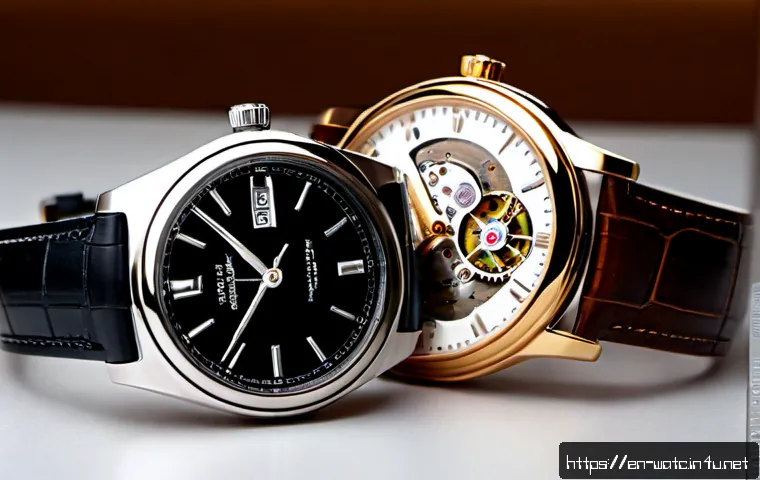
Because an automatic rotor takes up space, automatic movements commonly add case thickness and weight. A manual-wind movement can give designers more room to create a thinner profile or emphasize the visible mechanics through an exhibition caseback.
Do not buy based on photos alone. Compare the stated case dimensions, assess the strap or bracelet comfort, and consider how the watch sits on your wrist. A watch that looks balanced online may feel very different during everyday wear.
Purchase price versus long-term servicing value
The purchase price is only one part of mechanical watch ownership. Both automatic and manual-wind watches generally need periodic professional servicing. The appropriate interval depends on the movement, use, condition, and the brand’s recommendations.
Before choosing between an authorized dealer and a pre-owned seller, compare the full ownership picture: quoted watch price, warranty coverage, service options, strap replacement needs, insurance considerations, and the condition of a pre-owned example. A lower initial price does not answer every long-term ownership question.
Accuracy, water resistance, and durability: what actually varies by model
Do not assume that an automatic watch is more accurate than a manual-wind watch, or that either type is naturally tougher. Accuracy, water resistance, and shock resistance are model-specific. They should be checked in the manufacturer’s specifications and, for pre-owned watches, considered alongside condition and service history.
If water exposure is part of your routine, review the exact watch model’s water-resistance information instead of relying on its movement type. The same logic applies to travel, sports, and other active use.
Ownership Habits That Prevent Avoidable Problems
Safe winding and setting practices
Use the crown carefully and follow the instructions supplied for the specific movement. Avoid forcing the crown if something feels unusual. Since manufacturers may provide different guidance for hand-winding automatic movements, check the official manual or ask an authorized dealer before making it a daily habit.
A manual-wind watch calls for regular winding, while many automatic watches can also be wound through the crown. The important point is that the correct routine is model-specific.
What to do when an automatic watch stops
If an automatic watch stops after being unworn, first check the manufacturer’s instructions. Its power reserve may have been depleted. The recommended next step can vary, including whether to wind it through the crown and how to set it before wearing it again.

Do not treat every stopped mechanical watch as a repair issue. However, if its behavior does not match the stated operation guidance or you have concerns about its condition, speak with a qualified watchmaker or authorized service center.
When a watch winder is useful—and when it is unnecessary
A watch winder may be considered by owners who want an automatic watch to remain running while it is off the wrist. It is not a requirement for owning an automatic watch. If you do not mind winding and resetting the watch after it has stopped, a winder may add little practical value.
Before purchasing one, review the watch manufacturer’s guidance and consider your collection habits. A watch that is worn regularly may not need a separate storage solution for winding purposes.
Signs that call for a qualified watchmaker or authorized service center
Mechanical watches need periodic professional servicing based on their movement, use, condition, and brand recommendations. If you need clarification about operation, service timing, warranty coverage, or approved handling, an authorized service center can provide model-specific information.
For pre-owned buying, ask where the watch can be serviced and whether supporting records are available. Service access can be just as important as the initial asking price.
Which Type Works Best for Different Buyers?
The first mechanical watch buyer
A first-time buyer who plans to wear one watch frequently may find an automatic model easier to live with. It still requires basic attention to power reserve, setting, and periodic servicing, but it can fit naturally into a daily routine.
A manual-wind watch can also be an excellent first choice when the buyer actively wants the winding ritual. The key is to choose it knowingly, not because of an assumption that manual winding is automatically more refined.
The daily office wearer and frequent traveler
For a person who wears the watch most days, an automatic movement may offer a straightforward experience. When comparing models for travel, look beyond the movement type: check the individual watch’s power reserve, water resistance, warranty terms, and service network.
Travel does not make one movement universally better. A watch that matches your routine and can be serviced through a convenient channel is often the more practical choice.
The collector who rotates several watches
A collector who alternates among several watches should pay close attention to power reserve and the need to reset stopped watches. Manual-wind pieces can make each wearing session intentional, while automatic pieces can be convenient when they are worn often enough to stay powered.
A watch winder is optional rather than essential. Compare storage needs, manufacturer guidance, and how often each automatic watch is actually worn before adding one to a collection.
The gift buyer choosing between style and low-effort ownership
For a gift, start with the recipient’s likely habits. An automatic watch can suit someone who wants a mechanical watch with less daily interaction. A manual-wind watch can feel personal for someone who enjoys craftsmanship and routine.
Also consider practical details that are easy to miss: case comfort, strap fit, warranty coverage, return conditions, and local or mail-in service availability. These factors can matter long after the gift is opened.
Selection Criteria and Comparison Summary
Match winding style to how often the watch will be worn
Choose an automatic watch if regular wear and reduced winding effort are your main priorities. Choose a manual-wind watch if you value a direct daily interaction and are comfortable winding through the crown. In either case, confirm the stated power reserve.
Compare warranty, service access, and expected ownership costs
Before buying, compare authorized dealer coverage, pre-owned condition information, warranty terms, servicing options, insurance needs, straps, and quoted prices. Mechanical watch ownership extends beyond the initial transaction.
Check movement specifications before paying for design or brand prestige
Review the exact movement information, case dimensions, power reserve, water-resistance specification, and manufacturer guidance. A beautiful dial or famous brand may be important, but it should not replace practical ownership checks.
A final automatic-versus-manual decision checklist
Use these questions before choosing:
- Will I wear this watch regularly enough for an automatic movement to match my routine?
- Would I enjoy manually winding a watch through the crown?
- Have I checked the stated power reserve and the model’s winding instructions?
- Have I compared authorized dealer, pre-owned, warranty, and service options?
- Have I considered the total ownership costs beyond the quoted purchase price?
Compare service availability and total ownership costs before choosing. For official guidance, detailed movement specifications, and warranty conditions, check the relevant product or authorized dealer page.
In Closing
Automatic and manual-wind watches share the appeal of mechanical engineering, but they create different ownership routines. An automatic watch often works well for frequent wear, while a manual-wind watch rewards a buyer who enjoys the daily ritual. The right choice is the one that fits your wrist, schedule, and willingness to maintain a mechanical watch over time. Check the individual model rather than relying on broad assumptions about movement type.
Useful Things to Know
Power reserve is a practical specification for any mechanical watch, especially if you rotate watches. Water resistance and shock resistance should be checked by model, not by movement type. A pre-owned watch deserves extra attention to condition, available records, warranty status, and future service access.
Important Notes
Exact service pricing, resale value, accuracy, durability, warranty coverage, and recommended service intervals vary by watch model, brand, condition, and use. Guidance on hand-winding an automatic watch also varies by manufacturer. Confirm these details through the manufacturer, an authorized dealer, or a qualified watchmaker before purchasing or servicing a specific watch.
Frequently Asked Questions
Q1. Is an automatic watch better than a manual-wind watch for a first mechanical watch?
A1. Not automatically. An automatic watch may be easier for a first-time owner who expects to wear it often, because wrist movement can wind the mainspring. A manual-wind watch can be a strong first choice if the owner enjoys winding it through the crown and understands that regular interaction is part of ownership.
Q2. Do automatic watches cost more to service than manual-wind watches?
A2. Service cost cannot be determined by movement type alone. It depends on the individual movement, brand, watch condition, service requirements, and the provider’s pricing. Compare authorized service options and request model-specific information before buying.
Q3. Should I buy a watch winder if I do not wear my automatic watch every day?
A3. A watch winder is optional. It may be useful if you want an automatic watch to remain running while it is off your wrist, but it is not necessary if you are comfortable winding and resetting the watch after its power reserve runs out. Check the manufacturer’s guidance before choosing a winder.