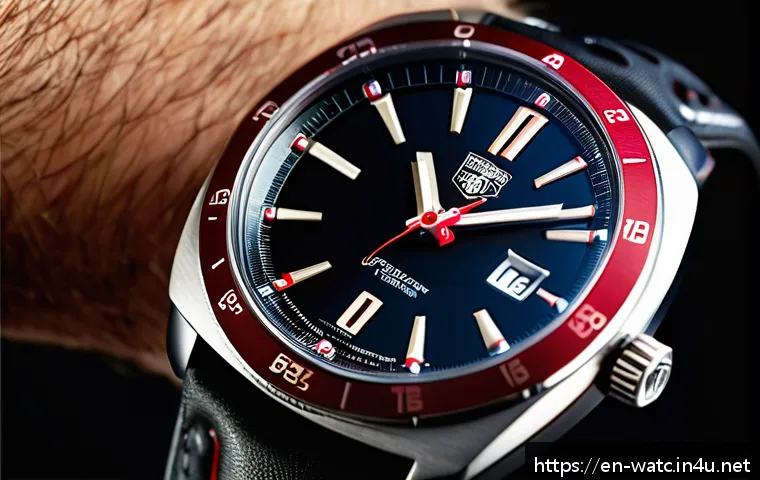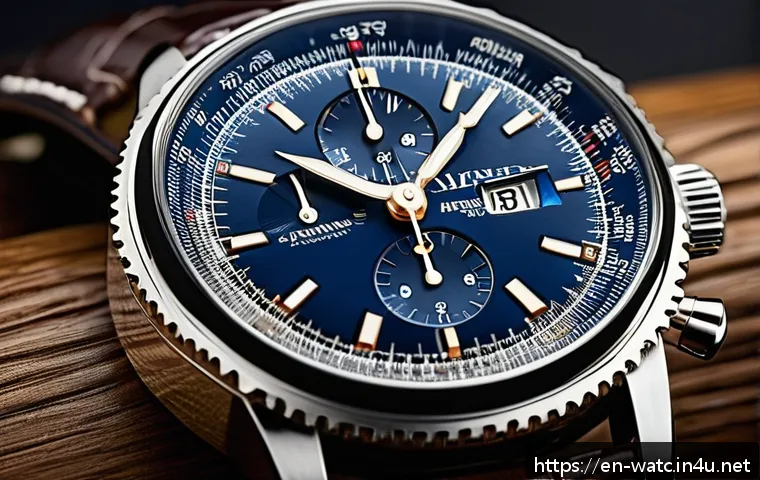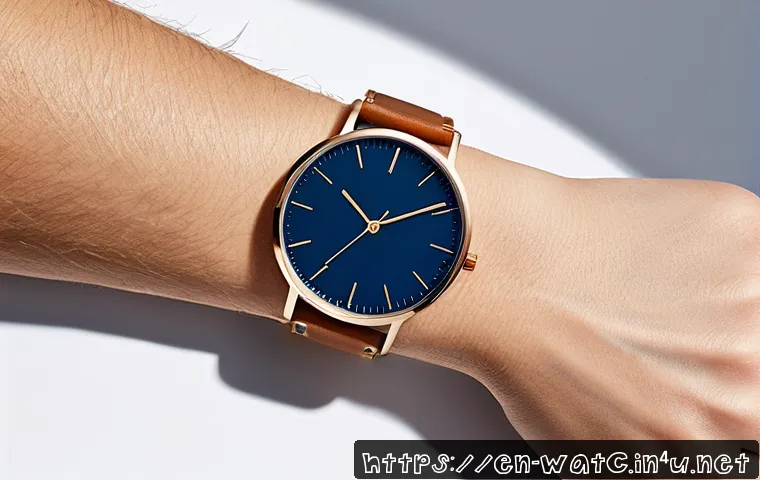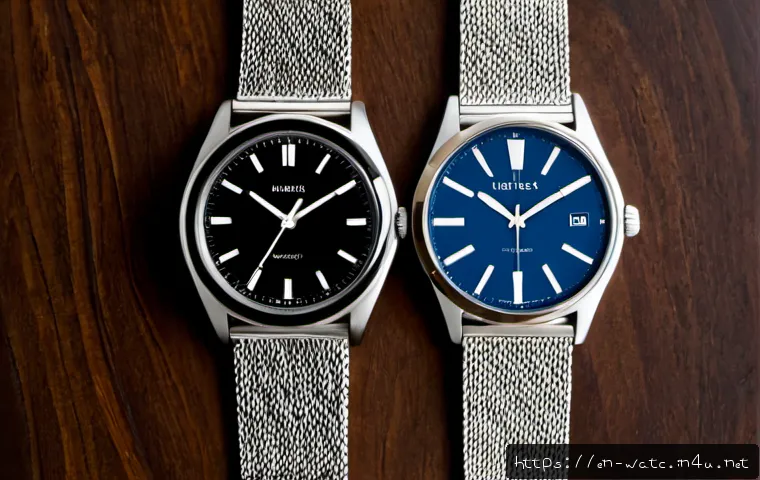
Premium metal watch straps differ most in material, clasp design, link construction, fit, and finishing. Use this guide to compare stainless steel, titanium, and precious-metal options before paying for an upgrade.
For most owners, a premium stainless steel bracelet is the best all-round choice for durability, finish variety, and everyday value. Choose titanium when reduced weight is the priority, and consider precious metal mainly for its visual presence rather than practical economy.
The right upgrade is not simply the most expensive bracelet; it is the one that fits the watch correctly, sits securely on the wrist, and can be adjusted or serviced without trouble.
Compare the clasp, end links, sizing system, finish, warranty terms, and installation options before paying for a premium watch accessory. A well-matched metal bracelet can improve daily comfort and change the character of a watch.
A poorly matched one can create gaps, instability, difficult sizing, or unnecessary wear around the lugs. For an expensive watch, careful compatibility checks and professional fitting can be part of the value, not an extra expense.
At a Glance
- Stainless steel is usually the most balanced option for strength, corrosion resistance, finish choice, and relative affordability.
- Titanium is generally lighter than steel, making it worth considering for larger watches and long days on the wrist.
- Fit matters as much as material: confirm lug width, end-link shape, case geometry, spring-bar specifications, and clasp adjustment before buying.
| Bracelet Type | Weight and Comfort | Maintenance Considerations | Long-Term Value | Best For |
|---|---|---|---|---|
| Stainless Steel | Substantial feel; comfort depends on link shape and sizing | Finish can show fingerprints or scratches differently | Strong all-round value and widely used construction | Daily wear, office use, travel, versatile collections |
| Titanium | Generally lighter than steel alternatives | Finish appearance can differ by alloy and treatment | Value is strongest when lower wrist weight matters | Larger watches, active wear, all-day comfort |
| Precious Metal | Varies by construction and material | Requires thoughtful wear and finish care | Higher material and manufacturing costs are common | Formal wear, collectors, statement-focused pieces |
The Short Answer: Choose the Bracelet That Matches How You Wear the Watch
A premium metal watch strap should be chosen around wearing comfort, secure fit, and compatibility, not appearance alone. A bracelet may look excellent in product photos yet feel top-heavy, pinch at the clasp, or fail to align neatly with the watch case. Start with your actual use: daily desk wear, frequent travel, warm-weather activity, or occasional formal use.
Best all-round choice for durability and everyday use
For many buyers, stainless steel is the practical starting point. It is widely used because it combines corrosion resistance, strength, multiple finishing options, and relative affordability. It can work equally well with a sport watch, a versatile everyday watch, or a more formal design when the finishing and link profile match the case.
Do not treat “stainless steel” as a complete quality description. Look closely at link construction, clasp security, end-link fit, and adjustment method. Those details often affect ownership more than a polished product listing.
When low weight matters more than a heavier luxury feel
Titanium is generally lighter than comparable steel options. This can make a noticeable difference if your watch has a larger case, if you wear it from morning to evening, or if you dislike the weight of a traditional metal bracelet. The benefit is not just lower weight; a lighter bracelet may also make the watch feel more stable when correctly sized.
However, comfort still depends on the bracelet’s shape, wrist size, clasp placement, and how well the links articulate. Do not assume that titanium will automatically feel better without checking the actual bracelet design.
When a premium finish justifies a higher budget
A higher budget can make sense when the bracelet brings a finish or construction level that genuinely matches the watch. Brushed, polished, bead-blasted, and mixed finishes each create a different visual effect. They also influence how easily fingerprints and visible scratches stand out during normal use.
Precious-metal bracelets typically cost substantially more because material value and manufacturing complexity can be higher. That premium is most sensible when appearance, collection value, and coordinated design are your priority. It is less compelling if the goal is simply a tougher daily-wear upgrade.
Compare Materials, Construction, and Long-Term Value
Material is the first comparison point, but it should not be the final one. A premium bracelet is a
Stainless steel: versatile, durable, and widely serviceable
Stainless steel remains a common choice for premium metal watch bracelets because it offers a useful balance of durability, corrosion resistance, and finishing flexibility. A fully brushed surface may suit daily use differently from a highly polished surface, while mixed finishing can help a bracelet visually match a watch case.
For everyday ownership, assess whether replacement links, clasp parts, and sizing support are available through the seller or an authorized fitting service. A bracelet that is easy to size and maintain can offer more practical value than one with a more dramatic finish but limited future support.
Titanium: lightweight comfort with different finishing considerations
Titanium bracelets are often attractive to owners who want the stability of metal without as much wrist weight. This is especially relevant for larger watches, travel watches, and watches worn during warm weather or active days. Lower weight can make a watch feel less tiring over long periods.
Still, scratch visibility and finish appearance vary by alloy, finishing process, daily use, and the wearer’s expectations. Review close-up images carefully, but remember that aftermarket bracelet quality should not be assumed from photos alone. If possible, inspect the clasp action, link movement, and end-link fit in person.
Precious metals and premium alloys: appearance, cost, and care
Precious-metal bracelets are usually about presence and coordinated luxury rather than value per wear. Their higher cost commonly reflects both the material and the additional complexity involved in manufacturing. They can give a watch a more unified, formal, or statement-oriented look.
Before choosing one, think honestly about where the watch will be worn. A precious-metal bracelet may be ideal for special occasions or a collection centerpiece, but it may not be the most relaxed choice for every daily task. Consider how the finish will fit your lifestyle rather than assuming a more expensive material is automatically the better upgrade.
Link design, end links, and clasp quality
The visible links are only part of the story. Screw pins, push pins, and other link systems affect adjustability, serviceability, and the long-term ownership experience. A bracelet should also have end links shaped for the specific watch case. A mismatch can leave obvious gaps, create poor alignment, or interfere with safe installation.
The clasp deserves the same attention as the bracelet links. Check how it closes, how securely it feels, whether it includes a micro-adjustment system, and whether it sits comfortably under the wrist. Micro-adjustment can be especially useful when the wrist expands due to heat, activity, or seasonal changes.
Price vs. Value: What You Are Actually Paying For
Bracelet pricing is not just about grams of metal. A premium watch upgrade can reflect material choice, machining, finishing, clasp design, tolerances, fit-specific end links, and the availability of support after purchase. The best comparison is based on total ownership value, not the first price shown.
Material cost versus manufacturing quality
Precious metals can raise the cost substantially, while titanium and steel options may differ based on their construction and finishing. But a higher material cost does not remove the need to evaluate link movement, clasp design, and fit. A bracelet that feels solid but cannot be comfortably sized is not necessarily a better purchase.
Finishing, tolerances, and adjustment systems
Finishing is both visual and practical. A polished surface may create a more formal look, while a brushed or bead-blasted finish can present wear differently. Mixed finishes can make a bracelet feel more integrated with a watch that already combines surface treatments.
Tolerances matter because they influence how links sit together and how end links meet the case. You do not need to judge manufacturing details like a watchmaker, but you should look for clean alignment, consistent finishing, and a clasp that operates without feeling vague or difficult.
Warranty, spare links, and future servicing
Before purchase, compare warranty coverage, spare-link availability, and possible future servicing. Exact terms, availability, and fitting fees vary by brand, retailer, country, and bracelet configuration, so they must be checked with the relevant seller.
If the bracelet is intended for a valuable watch, ask whether the seller offers authorized fitting services or can confirm the correct spring bars and end-link configuration. That information may be more useful than a minor difference in initial bracelet pricing.
Fit, Sizing, and Installation Mistakes to Avoid
A high-end bracelet cannot perform properly if it does not fit the watch and wrist correctly. Compatibility is not something to guess from a case diameter or a listing photo. Confirm the specific watch reference and the bracelet’s intended fit before placing an order.
Confirm lug width and end-link compatibility first
Start with lug width, end-link shape, case geometry, and spring-bar specifications. A bracelet can have the correct nominal width while still being unsuitable because the end links do not follow the case properly. Compatibility cannot be confirmed without the specific watch reference and end-link design.
If you are comparing an aftermarket option, do not rely only on a general claim that it “fits” a brand or case size. Look for clear compatibility details, and seek confirmation when the description is incomplete.
Check wrist sizing and micro-adjustment range
Bracelet sizing should leave the watch stable without making it restrictive. Your wrist can change through the day, especially with heat, movement, or seasonal shifts. A micro-adjustment system can help maintain comfort without repeatedly adding or removing links.

When comparing premium watch accessories, check whether the bracelet includes the links needed for your wrist and whether additional links can be obtained if necessary. This is a practical ownership question, not a minor detail.
Avoid forcing spring bars, pins, or screws
Never force spring bars, pins, screws, or end links into place. The incorrect part can damage the bracelet, the watch lugs, or the attachment area. A secure installation depends on correct specifications and suitable tools, not pressure.
If anything feels misaligned, stop and recheck compatibility. A metal bracelet should sit naturally between the lugs and allow the watch to move normally on the wrist.
When professional bracelet sizing is the safer option
Professional sizing or installation is worth considering when the watch is expensive, the bracelet has a complex screw system, the fit is uncertain, or you do not have suitable tools. An authorized retailer or experienced watchmaker may also help confirm the right configuration before any parts are removed.
Compare fitting service terms and installation costs before choosing. The fee varies by location and bracelet type, but avoiding a compatibility mistake can be more valuable than attempting a rushed adjustment at home.
Which Bracelet Style Fits Your Use Case?
Your preferred material should support the way you actually wear the watch. A bracelet that is ideal for a formal collection may not be the best answer for a humid commute, frequent travel, or an active schedule.
Daily office and travel wear
Stainless steel is often the straightforward choice for a daily watch because it offers broad versatility. Look for a comfortable clasp, sensible link articulation, and a finish that works with your usual clothing. A secure micro-adjustment system can be particularly useful when travel or changing weather affects wrist size.
Sports, warm weather, and active use
Titanium can be appealing when reduced weight is a major priority. A lighter bracelet may make a larger watch easier to wear throughout an active day. For any active use, prioritize safe attachment, a secure clasp, and a fit that does not shift excessively.
Do not choose based on weight alone. A well-sized steel bracelet can be comfortable, while a poorly sized titanium bracelet can still feel awkward.
Formal wear and statement-focused collections
A polished, mixed-finish, or precious-metal bracelet can add visual impact for formal settings and collection-focused wear. Here, the match between the case finish, dial style, and bracelet surface treatment matters greatly. The goal is a deliberate, unified look rather than simply selecting the costliest option.
Vintage-inspired watches and aftermarket upgrades
Aftermarket bracelets may be reasonable when they are clearly designed for the specific watch geometry and when the seller provides adequate compatibility information. They can also offer alternative styles that are unavailable from the original manufacturer.
Still, inspect the end-link design, clasp construction, spring-bar requirements, and return or warranty conditions. An aftermarket bracelet should earn trust through clear specifications and fit details, not only attractive photography.
Selection Criteria and Comparison Summary
Before choosing a premium metal watch strap, compare these five points: material and wrist weight, lug and end-link compatibility, clasp security and micro-adjustment, link sizing and future serviceability, and warranty or installation support. A bracelet should improve the watch’s daily wearability, not merely change its appearance.
Compare fit, clasp, warranty, and installation costs before choosing. For a specific watch reference, review the official product details or ask an authorized retailer or watchmaker to confirm the correct bracelet and fitting requirements.
The final five-point buying checklist
Confirm the lug width and case-specific end-link shape. Check the clasp type and adjustment range. Verify how links are removed or added. Consider how the finish will look after regular wear. Finally, ask about spare links, warranty terms, and future service options.
When to buy from an authorized retailer or watchmaker
An authorized source or qualified watchmaker is especially useful when the bracelet is for a high-value watch, requires model-specific end links, or needs professional installation. This route can provide clearer compatibility guidance and reduce uncertainty around fitting.
When an aftermarket option may be reasonable
An aftermarket option may suit a buyer who wants a different bracelet style or is exploring an upgrade for a compatible watch. Choose carefully: confirm the exact watch reference, assess the available construction information, and do not assume quality from photographs alone.
In Closing
The best premium metal bracelet is the one that feels natural on the wrist and belongs visually on the watch. Stainless steel remains a strong all-purpose option, titanium makes sense when lighter weight matters, and precious metal is primarily an appearance-led choice. Construction, clasp design, and exact fit deserve the same attention as the material itself. A careful comparison now can make the bracelet easier to enjoy and service later.
Useful Things to Know
Micro-adjustment can help with normal wrist expansion during heat, exercise, or seasonal changes.
Mixed finishing can match a watch case well, but polished sections may show fingerprints and visible scratches differently from brushed areas.
Professional sizing may be sensible for expensive watches, unfamiliar screw systems, or uncertain bracelet compatibility.
Important Notes
Exact prices, availability, warranty coverage, spare-link access, and fitting fees vary by brand, retailer, country, and bracelet configuration. Weight, comfort, and visible wear also vary by alloy, finishing process, wrist size, and daily use. Always confirm compatibility with the specific watch reference, lug width, end-link design, and spring-bar specifications before installation.
Frequently Asked Questions
Q1. Is titanium better than stainless steel for a premium watch bracelet?
A1. Not in every situation. Titanium is generally lighter than steel, which can improve comfort for larger watches or all-day wear. Stainless steel is widely used because it balances strength, corrosion resistance, finish options, and relative affordability. The better choice depends on your preferred wrist feel, watch size, finish preference, and intended use.
Q2. How much should I expect to pay for a high-quality metal watch strap?
A2. Exact pricing varies by material, brand, country, bracelet configuration, end-link design, finishing, clasp system, and service support. Precious-metal bracelets typically cost substantially more because material value and manufacturing complexity can be higher. Compare total ownership value, including fitting, warranty, spare links, and future servicing, rather than focusing only on the purchase price.
Q3. Is professional sizing worth it for an expensive watch bracelet?
A3. It can be worthwhile when the watch is valuable, the bracelet uses screws or complex link construction, or compatibility is not fully certain. Professional fitting may help avoid forcing spring bars, pins, or screws and can provide reassurance that the end links and clasp are functioning as intended. Compare fit, clasp, warranty, and installation costs before choosing.