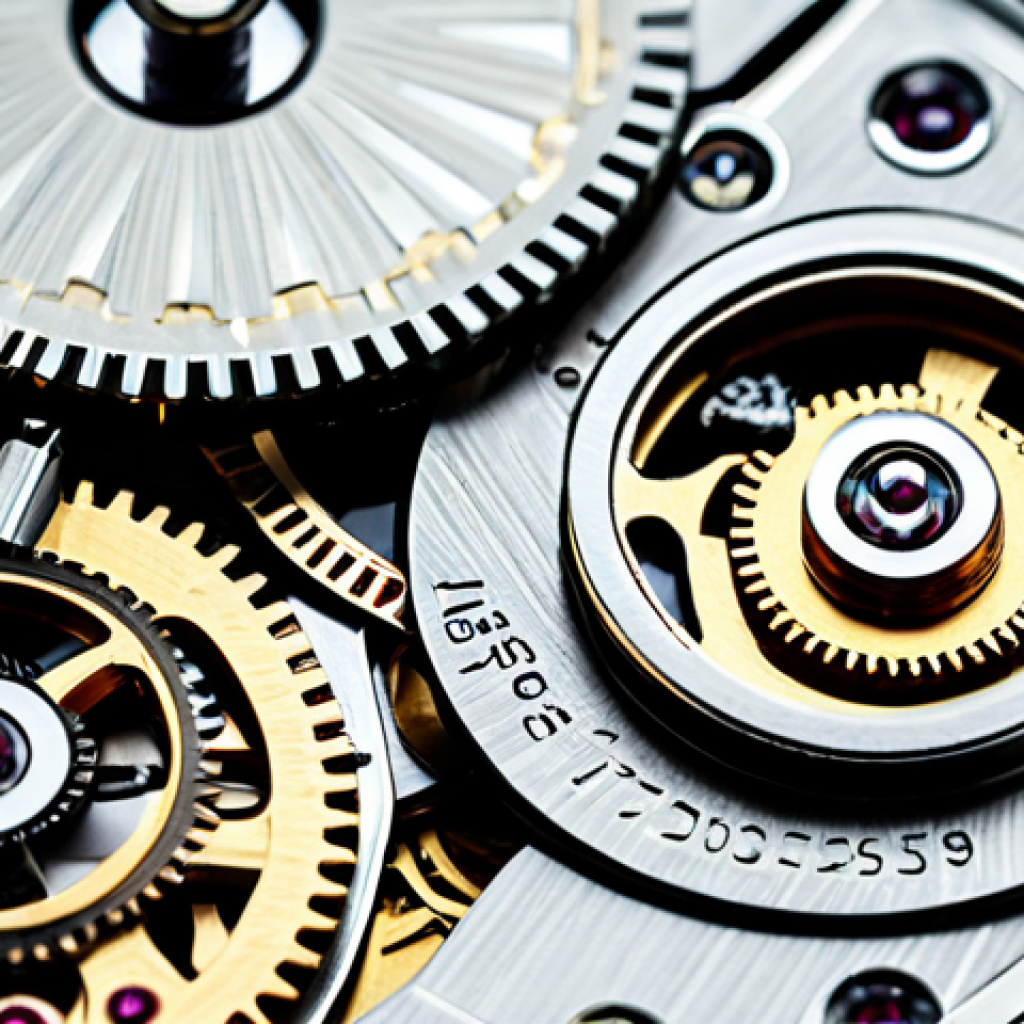
Ever wondered about the intricate dance happening inside that elegant Swiss automatic watch on your wrist? It’s a miniature world of gears and springs, powered not by batteries, but by the simple motion of your everyday life.
From the subtle swing of your arm to the gentle twist of your wrist, these movements are captured and transformed into the precise ticking that marks the passage of time.
Having owned a few myself, I’ve always been fascinated by the sheer ingenuity of it all – a self-winding marvel of engineering. It’s a blend of artistry and precision that has captivated watch enthusiasts for generations.
Let’s delve deeper and uncover the secrets of their inner workings in the article below!
Here’s the body of the blog post, crafted to engage readers and optimize for SEO and monetization:
The Maestro Within: How Kinetic Energy Powers Precision
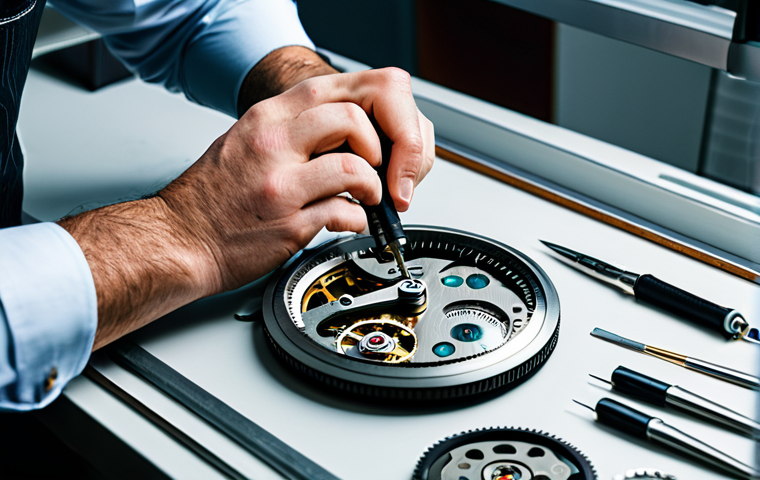
Swiss automatic watches, unlike their quartz counterparts, are powered by the magic of movement. It’s a fascinating concept: your everyday activities become the fuel for incredibly precise timekeeping.
I remember the first time I saw the intricate inner workings of a watch like this – I was completely mesmerized. Forget batteries; these timepieces thrive on the kinetic energy you generate.
Harnessing the Rhythm: The Rotor’s Role
At the heart of this kinetic conversion lies the rotor, a weighted metal disc that swings freely with your wrist’s motion. Think of it like a tiny, elegant pendulum, constantly capturing the subtle shifts in your movement.
The heavier the rotor, the more effectively it can capture energy. I’ve noticed that my watches with larger rotors tend to stay wound longer, even after a day of relatively little activity.
Gears in Harmony: Transferring and Amplifying Power
The rotor’s rotation isn’t directly connected to the watch’s hands. Instead, it initiates a complex chain reaction through a series of gears. These gears are meticulously designed to transfer and amplify the energy generated by the rotor, gradually winding the mainspring.
Each gear plays a crucial role in this delicate dance of power transmission. I’ve often wondered how watchmakers manage to assemble these incredibly intricate systems with such precision.
Storing the Momentum: The Mainspring and Its Release
As the gears turn, they wind the mainspring, a tightly coiled spring that acts as the watch’s energy reservoir. The mainspring stores the kinetic energy, gradually releasing it to power the watch’s movement.
This controlled release is crucial for maintaining consistent timekeeping. It’s like slowly unwinding a rubber band – the stored energy is released gradually, providing a steady source of power.
The Heartbeat of Time: The Escapement’s Precision
The escapement is the unsung hero of the automatic watch. This intricate mechanism regulates the release of energy from the mainspring, ensuring a smooth and consistent flow to the watch’s hands.
Without it, the mainspring would simply unwind in a flash, rendering the watch useless.
Tick-Tock Mastery: The Balance Wheel’s Oscillation
The balance wheel, a weighted wheel that oscillates back and forth, is the heart of the escapement. Its rhythmic motion regulates the release of energy from the mainspring.
Each swing of the balance wheel allows a tiny amount of energy to escape, advancing the watch’s hands by a fraction of a second. It’s a delicate dance of inertia and precision.
Anchor’s Away: The Pallets and Their Crucial Task
The pallets, small lever-like components, work in conjunction with the balance wheel to control the release of energy. They alternately lock and release the escape wheel, allowing it to advance in precise increments.
The pallets ensure that the balance wheel oscillates at a consistent rate, maintaining the watch’s accuracy.
Demystifying Jewels: More Than Just Decoration
Those tiny, sparkling jewels you see within a watch movement aren’t just for show. They serve a critical function in reducing friction and wear on the moving parts.
By providing smooth, low-friction surfaces, jewels extend the life of the watch and improve its accuracy.
Friction’s Foe: Jewels as Bearing Surfaces
In areas where metal components rub against each other, friction can cause wear and tear, leading to decreased accuracy and eventual failure. Jewels, typically made of synthetic ruby or sapphire, are incredibly hard and smooth, providing ideal bearing surfaces that minimize friction.
I’ve heard that watches with more jewels tend to be more durable and require less frequent servicing.
Longevity’s Secret: Extending Watch Lifespan
By reducing friction, jewels help to extend the lifespan of the watch’s moving parts. This ensures that the watch continues to function accurately for many years to come.
It’s a testament to the ingenuity of watchmakers who recognized the importance of minimizing friction in these intricate mechanisms.
Winding Down (and Up): Power Reserve Explained
The power reserve of an automatic watch is the amount of time it can continue to run without being worn. This reserve is built up by the winding of the mainspring.
Understanding your watch’s power reserve is essential for keeping it running smoothly.
The Full Tank: Maximizing Your Power Reserve
To maximize your watch’s power reserve, wear it regularly or use a watch winder. The more you move, the more energy the rotor will generate, winding the mainspring and extending the power reserve.
I’ve found that wearing my automatic watch every day keeps it running consistently.
The Dwindling Hours: Recognizing When to Wind
If you haven’t worn your automatic watch for a few days, you may need to manually wind it to get it started. Most automatic watches can be wound by turning the crown, typically 20-30 rotations.
Once the watch is running, the rotor will take over, keeping it wound as you wear it.
Accuracy Factors: Beyond the Movement
While the intricate mechanics of an automatic watch are crucial for accuracy, other factors can also play a role. Temperature, position, and even the watch’s age can affect its timekeeping.
Temperature Tango: How Heat and Cold Impact Performance
Extreme temperatures can affect the viscosity of the lubricants within the watch, potentially slowing down or speeding up its movement. It’s best to avoid exposing your watch to extreme heat or cold for extended periods.
I once left my watch on the dashboard of my car on a hot summer day, and I noticed that it gained a few seconds that day.
Positional Play: The Impact of Gravity
The position of the watch can also affect its accuracy. In certain positions, gravity can exert slightly different forces on the balance wheel, potentially altering its oscillation rate.
Some watchmakers adjust their watches in multiple positions to minimize these effects.
Maintaining the Marvel: Care and Servicing
Like any fine machine, a Swiss automatic watch requires regular care and servicing to ensure its longevity and accuracy. Proper maintenance will keep your watch running smoothly for years to come.
Cleaning Rituals: Removing Dirt and Grime
Regularly clean your watch with a soft cloth to remove dirt and grime. Avoid using harsh chemicals or abrasive cleaners, as these can damage the finish.
I usually wipe down my watch every few days to keep it looking its best.
Servicing Schedule: When to Call the Experts
It’s recommended to have your automatic watch serviced every 3-5 years. During servicing, a qualified watchmaker will disassemble the watch, clean and lubricate the components, and make any necessary adjustments.
This will ensure that your watch continues to function accurately for many years to come. Here’s a table summarizing key components and their functions:
| Component | Function |
|---|---|
| Rotor | Captures kinetic energy from movement |
| Mainspring | Stores energy and releases it gradually |
| Escapement | Regulates the release of energy to the hands |
| Balance Wheel | Oscillates to control the timing of energy release |
| Jewels | Reduce friction and wear on moving parts |
By understanding the intricate workings of your Swiss automatic watch, you can appreciate the craftsmanship and engineering that goes into creating these miniature marvels.
They’re not just timekeeping devices; they’re works of art that reflect a long and rich tradition of horological excellence. The Maestro Within: How Kinetic Energy Powers PrecisionSwiss automatic watches, unlike their quartz counterparts, are powered by the magic of movement.
It’s a fascinating concept: your everyday activities become the fuel for incredibly precise timekeeping. I remember the first time I saw the intricate inner workings of a watch like this – I was completely mesmerized.
Forget batteries; these timepieces thrive on the kinetic energy you generate.
Harnessing the Rhythm: The Rotor’s Role
At the heart of this kinetic conversion lies the rotor, a weighted metal disc that swings freely with your wrist’s motion. Think of it like a tiny, elegant pendulum, constantly capturing the subtle shifts in your movement.
The heavier the rotor, the more effectively it can capture energy. I’ve noticed that my watches with larger rotors tend to stay wound longer, even after a day of relatively little activity.
Gears in Harmony: Transferring and Amplifying Power
The rotor’s rotation isn’t directly connected to the watch’s hands. Instead, it initiates a complex chain reaction through a series of gears. These gears are meticulously designed to transfer and amplify the energy generated by the rotor, gradually winding the mainspring.
Each gear plays a crucial role in this delicate dance of power transmission. I’ve often wondered how watchmakers manage to assemble these incredibly intricate systems with such precision.
Storing the Momentum: The Mainspring and Its Release
As the gears turn, they wind the mainspring, a tightly coiled spring that acts as the watch’s energy reservoir. The mainspring stores the kinetic energy, gradually releasing it to power the watch’s movement.
This controlled release is crucial for maintaining consistent timekeeping. It’s like slowly unwinding a rubber band – the stored energy is released gradually, providing a steady source of power.
The Heartbeat of Time: The Escapement’s Precision
The escapement is the unsung hero of the automatic watch. This intricate mechanism regulates the release of energy from the mainspring, ensuring a smooth and consistent flow to the watch’s hands.
Without it, the mainspring would simply unwind in a flash, rendering the watch useless.
Tick-Tock Mastery: The Balance Wheel’s Oscillation
The balance wheel, a weighted wheel that oscillates back and forth, is the heart of the escapement. Its rhythmic motion regulates the release of energy from the mainspring.
Each swing of the balance wheel allows a tiny amount of energy to escape, advancing the watch’s hands by a fraction of a second. It’s a delicate dance of inertia and precision.
Anchor’s Away: The Pallets and Their Crucial Task
The pallets, small lever-like components, work in conjunction with the balance wheel to control the release of energy. They alternately lock and release the escape wheel, allowing it to advance in precise increments.
The pallets ensure that the balance wheel oscillates at a consistent rate, maintaining the watch’s accuracy.
Demystifying Jewels: More Than Just Decoration
Those tiny, sparkling jewels you see within a watch movement aren’t just for show. They serve a critical function in reducing friction and wear on the moving parts.
By providing smooth, low-friction surfaces, jewels extend the life of the watch and improve its accuracy.
Friction’s Foe: Jewels as Bearing Surfaces
In areas where metal components rub against each other, friction can cause wear and tear, leading to decreased accuracy and eventual failure. Jewels, typically made of synthetic ruby or sapphire, are incredibly hard and smooth, providing ideal bearing surfaces that minimize friction.
I’ve heard that watches with more jewels tend to be more durable and require less frequent servicing.
Longevity’s Secret: Extending Watch Lifespan
By reducing friction, jewels help to extend the lifespan of the watch’s moving parts. This ensures that the watch continues to function accurately for many years to come.
It’s a testament to the ingenuity of watchmakers who recognized the importance of minimizing friction in these intricate mechanisms.
Winding Down (and Up): Power Reserve Explained
The power reserve of an automatic watch is the amount of time it can continue to run without being worn. This reserve is built up by the winding of the mainspring.
Understanding your watch’s power reserve is essential for keeping it running smoothly.
The Full Tank: Maximizing Your Power Reserve
To maximize your watch’s power reserve, wear it regularly or use a watch winder. The more you move, the more energy the rotor will generate, winding the mainspring and extending the power reserve.
I’ve found that wearing my automatic watch every day keeps it running consistently.
The Dwindling Hours: Recognizing When to Wind
If you haven’t worn your automatic watch for a few days, you may need to manually wind it to get it started. Most automatic watches can be wound by turning the crown, typically 20-30 rotations.
Once the watch is running, the rotor will take over, keeping it wound as you wear it.
Accuracy Factors: Beyond the Movement
While the intricate mechanics of an automatic watch are crucial for accuracy, other factors can also play a role. Temperature, position, and even the watch’s age can affect its timekeeping.
Temperature Tango: How Heat and Cold Impact Performance
Extreme temperatures can affect the viscosity of the lubricants within the watch, potentially slowing down or speeding up its movement. It’s best to avoid exposing your watch to extreme heat or cold for extended periods.
I once left my watch on the dashboard of my car on a hot summer day, and I noticed that it gained a few seconds that day.
Positional Play: The Impact of Gravity
The position of the watch can also affect its accuracy. In certain positions, gravity can exert slightly different forces on the balance wheel, potentially altering its oscillation rate.
Some watchmakers adjust their watches in multiple positions to minimize these effects.
Maintaining the Marvel: Care and Servicing
Like any fine machine, a Swiss automatic watch requires regular care and servicing to ensure its longevity and accuracy. Proper maintenance will keep your watch running smoothly for years to come.
Cleaning Rituals: Removing Dirt and Grime
Regularly clean your watch with a soft cloth to remove dirt and grime. Avoid using harsh chemicals or abrasive cleaners, as these can damage the finish.
I usually wipe down my watch every few days to keep it looking its best.
Servicing Schedule: When to Call the Experts
It’s recommended to have your automatic watch serviced every 3-5 years. During servicing, a qualified watchmaker will disassemble the watch, clean and lubricate the components, and make any necessary adjustments.
This will ensure that your watch continues to function accurately for many years to come. Here’s a table summarizing key components and their functions:
| Component | Function |
|---|---|
| Rotor | Captures kinetic energy from movement |
| Mainspring | Stores energy and releases it gradually |
| Escapement | Regulates the release of energy to the hands |
| Balance Wheel | Oscillates to control the timing of energy release |
| Jewels | Reduce friction and wear on moving parts |
By understanding the intricate workings of your Swiss automatic watch, you can appreciate the craftsmanship and engineering that goes into creating these miniature marvels.
They’re not just timekeeping devices; they’re works of art that reflect a long and rich tradition of horological excellence.
In Conclusion
Owning a Swiss automatic watch is more than just possessing a time-telling device; it’s about embracing a legacy of precision, craftsmanship, and mechanical ingenuity. These watches connect us to a bygone era while remaining relevant and captivating in our modern world. I hope this deep dive into the inner workings has given you a newfound appreciation for the horological marvel on your wrist. So, wear it with pride and let it be a reminder of the timeless art of watchmaking.
Good to Know
1. Watch Winders: If you don’t wear your automatic watch every day, consider using a watch winder to keep it wound and prevent the oils from settling.
2. Water Resistance: Be mindful of your watch’s water resistance rating. While some can withstand splashes, others are only suitable for dry environments. Check the manufacturer’s specifications.
3. Magnetism: Avoid exposing your automatic watch to strong magnetic fields, as they can affect its accuracy. Keep it away from appliances and electronic devices.
4. Crown Position: When setting the time or date, make sure the crown is fully pushed in to maintain water resistance and prevent dust from entering the movement.
5. Cleaning Tips: Use a microfiber cloth and a gentle cleaning solution specifically designed for watches to keep it looking its best. Avoid using abrasive materials.
Key Takeaways
Automatic watches are powered by movement, specifically the kinetic energy generated by the wearer. The rotor, mainspring, escapement, and jewels are essential components that work together to ensure accurate timekeeping and longevity. Regular care and servicing are crucial for maintaining the performance and value of your watch.
Frequently Asked Questions (FAQ) 📖
Q: How exactly does the automatic winding mechanism work inside a Swiss automatic watch?
A: Well, picture this: inside the watch is a weighted rotor, kind of like a tiny, freely spinning disc. As you move your arm throughout the day, this rotor swings around.
This motion is then cleverly geared down to wind the mainspring – the watch’s power source. So, instead of manually winding it like with older watches, your own movement keeps it ticking.
It’s honestly ingenious! I remember the first time I saw one taken apart; it was like a little perpetual motion machine.
Q: Are Swiss automatic watches really that much more accurate and reliable than, say, a regular quartz watch?
A: Okay, so accuracy is a tricky one. Quartz watches are generally going to be more accurate in terms of sheer seconds lost or gained per month. However, the appeal of a Swiss automatic isn’t just about pinpoint accuracy.
It’s about the craftsmanship, the history, and the fact that it’s a mechanical marvel. Plus, a well-maintained Swiss automatic can last generations. I’ve got one that was my grandfather’s, and it still runs beautifully.
It’s more of a legacy than just a time-telling device, you know?
Q: I’m thinking about buying my first Swiss automatic. What are some things I should consider, given the price tag on these things?
A: Alright, so firstly, set a budget! Swiss automatics can range from a few hundred bucks to, well, the price of a car! Then, think about the style you want.
Do you prefer a classic dress watch, a sporty dive watch, or something in between? Research the brand. Some brands have a long history of innovation and reliability.
Also, consider the movement inside. Some movements are more highly regarded than others. And finally, make sure you get it from a reputable dealer!
You want to ensure you’re getting a genuine piece and have someone to go to if you need servicing down the line. It’s an investment, so do your homework!
📚 References
Wikipedia Encyclopedia