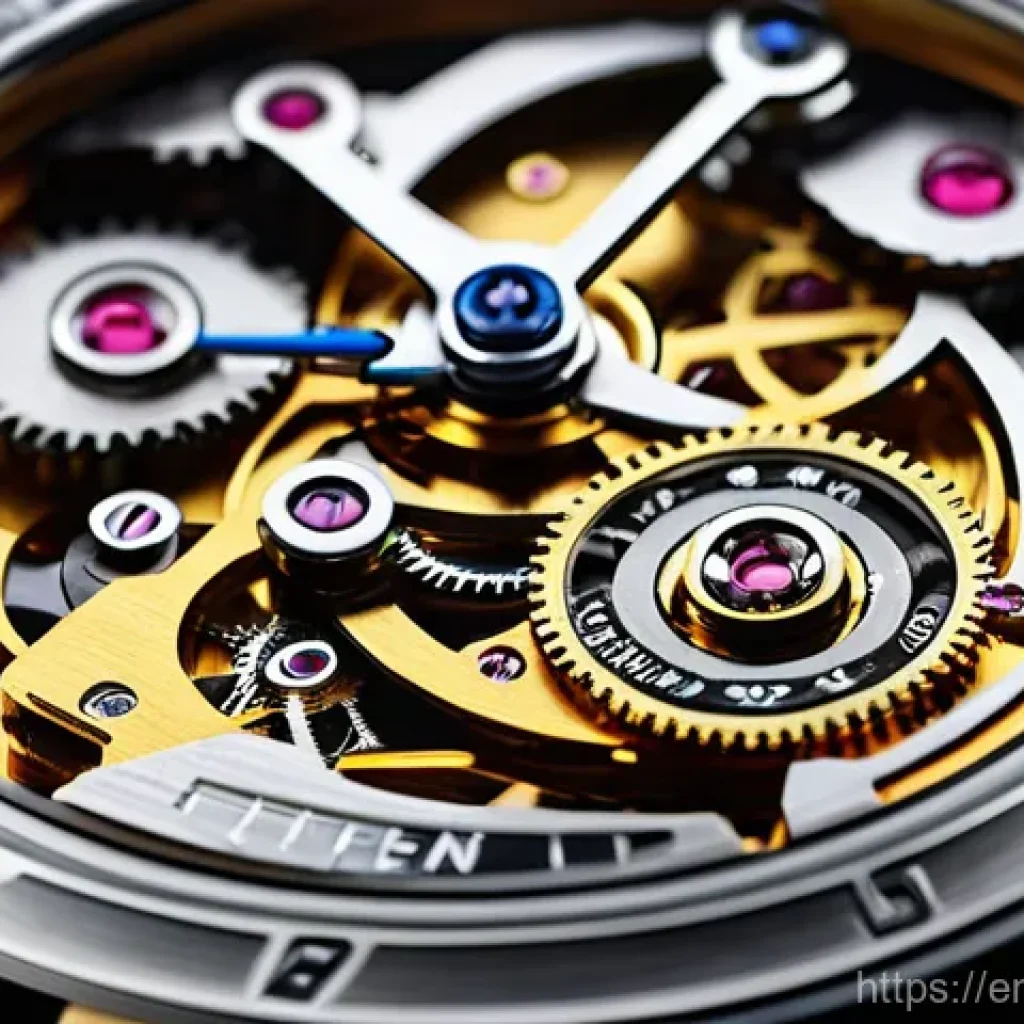
Hey there, watch enthusiasts and style seekers! I remember when I first started getting into watches, the sheer variety was overwhelming. It felt like every fashion house, from high street to high end, had its own dazzling collection.
And let’s be real, those Armani watches with their sleek designs and iconic logo always caught my eye. They look fantastic, right? But then, I’d hear seasoned collectors talk about “brand watches” and “horological heritage,” and suddenly, I was left wondering if my stylish choice was actually a smart one.
Was I just buying a name, or was there real craftsmanship ticking away inside? It’s a common dilemma in today’s dynamic watch market, where fashion-forward accessories often blur the lines with traditional timepieces.
With everything from smartwatches dominating search trends to a growing demand for both affordable and luxury options, navigating the world of wristwear can be tricky.
You want a watch that looks amazing on your wrist, fits your personal style, and ideally, offers lasting quality and value. But how do you tell if that stunning Armani piece, or any fashion watch for that matter, truly stands up against a watch from a brand with centuries of watchmaking expertise?
Is it all about the movement, the materials, or simply the statement it makes? We’re all looking for that perfect blend of aesthetics and substance, especially when we’re investing our hard-earned cash.
So, if you’ve ever found yourself pondering this exact question at the display case, you’re in the right place. We’ll explore the exact differences, so you can make an informed decision for your next timepiece.Hey there, watch enthusiasts and style seekers!
I remember when I first started getting into watches, the sheer variety was overwhelming. It felt like every fashion house, from high street to high end, had its own dazzling collection.
And let’s be real, those Armani watches with their sleek designs and iconic logo always caught my eye. They look fantastic, right? But then, I’d hear seasoned collectors talk about “brand watches” and “horological heritage,” and suddenly, I was left wondering if my stylish choice was actually a smart one.
Was I just buying a name, or was there real craftsmanship ticking away inside? It’s a common dilemma in today’s dynamic watch market, where fashion-forward accessories often blur the lines with traditional timepieces.
With everything from smartwatches dominating search trends to a growing demand for both affordable and luxury options, navigating the world of wristwear can be tricky.
You want a watch that looks amazing on your wrist, fits your personal style, and ideally, offers lasting quality and value. But how do you tell if that stunning Armani piece, or any fashion watch for that matter, truly stands up against a watch from a brand with centuries of watchmaking expertise?
Is it all about the movement, the materials, or simply the statement it makes? We’re all looking for that perfect blend of aesthetics and substance, especially when we’re investing our hard-earned cash.
So, if you’ve ever found yourself pondering this exact question at the display case, you’re in the right place. We’ll explore the exact differences, so you can make an informed decision for your next timepiece.
The Heart of the Matter: Exploring What Ticks Inside
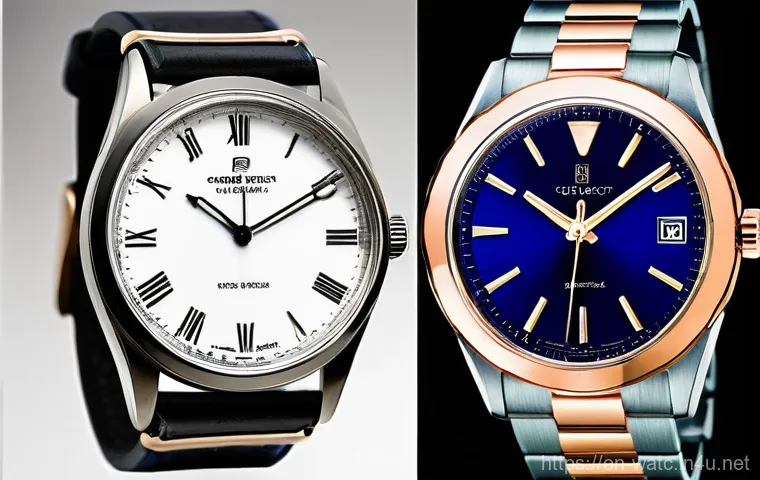
Okay, let’s get down to the nitty-gritty, because what’s under the hood often tells the real story. When I first started collecting, I was completely captivated by the external aesthetics – the shiny cases, the intricate dials, the way a watch felt on my wrist. But as I dove deeper, I quickly learned that the true soul of any timepiece lies in its movement. Fashion watches, like those from Armani, often utilize quartz movements. There’s nothing inherently wrong with quartz; in fact, for everyday accuracy and low maintenance, they’re fantastic. They’re battery-powered, incredibly precise, and generally very affordable to produce. This allows designers to focus heavily on external style without driving up the cost too much, which is a win for anyone wanting a stylish accessory without breaking the bank. However, when we talk about traditional watch brands, especially those with a long history, you’re far more likely to encounter mechanical movements, whether automatic or manual-wind. These are miniature marvels of engineering, powered by an intricate dance of gears, springs, and levers. There’s a certain magic to knowing that the watch on your wrist is a tiny, self-contained machine, humming along with hundreds of hand-assembled parts. It’s a completely different experience, a feeling of wearing a piece of living history and meticulous craftsmanship. The subtle sweep of a mechanical second hand versus the distinct tick of a quartz watch is just one of those little details that can truly make a difference for an enthusiast.
The Precision of Quartz vs. The Artistry of Mechanics
From my own experience, the immediate appeal of a quartz fashion watch is its ‘set it and forget it’ nature. You literally just put it on, and it tells perfect time, usually for years, until the battery eventually gives out. This convenience is definitely a major selling point for many, especially those who aren’t necessarily watch enthusiasts but appreciate a beautiful accessory. Traditional mechanical watches, on the other hand, require a bit more interaction. An automatic watch winds itself with the motion of your arm, but if you don’t wear it for a couple of days, it’ll stop and need to be reset. A manual-wind watch requires daily winding, which for some, including myself, becomes a cherished ritual – a moment of connection with the timepiece. It’s less about ultimate precision (though high-end mechanical movements can be incredibly accurate) and more about appreciating the human ingenuity and tradition involved in keeping time this way. It’s like comparing a high-tech digital camera to a classic film camera; both take pictures, but the experience and the craft are vastly different.
Mass Production vs. Hand-Finished Details
Another point that became clear to me early on is the scale of production and the level of hand-finishing. Many fashion watch movements are mass-produced in highly automated factories, ensuring consistency and cost-effectiveness. This isn’t a criticism, merely a fact of how they achieve their price point and availability. Traditional watch brands, especially at the mid to luxury tiers, often boast movements with components that have been meticulously finished by hand—beveled edges, polished screws, Geneva stripes, perlage. These aren’t just for show; they reduce friction and improve longevity, but more importantly, they are a testament to the artisan’s skill and dedication. I remember seeing a disassembled mechanical movement for the first time, and the sheer detail in every tiny component was breathtaking. It transformed my understanding of what a watch could be, moving it from a simple time-telling device to a miniature work of art.
Beyond the Bling: Materials, Craftsmanship, and Durability
When you’re looking at a watch, especially one that catches your eye with its dazzling aesthetics, it’s easy to get swept up in the immediate visual appeal. But my friends, I’ve learned the hard way that true beauty and value often lie in what you can’t immediately see, or what might not be obvious until you’ve worn the watch for a while. Let’s talk materials and how they hold up. Fashion watches, while undeniably stylish, sometimes cut corners on materials to maintain that accessible price point. You might find plated metals instead of solid stainless steel, mineral crystal instead of sapphire, and leather straps that don’t age as gracefully as higher-quality alternatives. Now, don’t get me wrong, this doesn’t mean they’ll fall apart overnight! My first ‘nice’ watch was a fashion brand, and I loved it to bits. But after a year or two, I started noticing the plating wearing off on the edges, and the crystal got a few scratches that bugged me. Traditional watch brands, on the other hand, tend to invest heavily in robust, long-lasting materials. Think surgical-grade stainless steel (316L, if you want to get technical!), scratch-resistant sapphire crystals, and premium leather or robust metal bracelets. They’re built not just to look good now, but to withstand the rigors of daily wear and potentially last for decades. This focus on durability isn’t just about being tough; it’s about preserving the watch’s aesthetic and functional integrity over a long period, making it a piece you can truly live with and rely on.
The Skin Deep Appeal of Plating vs. Enduring Solid Construction
One of the most noticeable differences, and one I’ve personally experienced, is the case material and finish. Many fashion watches use base metals that are then plated with gold, rose gold, or other finishes to achieve that luxurious look. While stunning initially, these platings can, over time, wear thin, especially on edges and areas of high contact. It’s a bit like buying a beautiful painted piece of furniture; it looks great, but constant use will eventually show the layers beneath. Traditional watch brands predominantly use solid materials like stainless steel, titanium, or precious metals. The finish, whether it’s brushed, polished, or satin, is applied directly to the solid material, meaning it’s integral to the watch itself. A scratch on a solid steel case can often be buffed out or refinished, whereas a deep scratch on a plated case might expose the underlying metal, which is much harder to fix discreetly. I remember the frustration of seeing the silver peeking through the gold on one of my earlier fashion watches, and it truly made me appreciate the solid feel and lasting finish of a quality stainless steel watch.
Crystal Clear: Mineral vs. Sapphire
The watch crystal, that clear cover protecting the dial, is another area where materials really matter. Most fashion watches, for cost-effectiveness, use mineral crystal. It’s essentially hardened glass and is reasonably scratch-resistant for everyday bumps and scrapes. But then there’s sapphire crystal, a staple in traditional watchmaking. Sapphire is incredibly hard, second only to diamond, and virtually scratch-proof in daily wear. I’ve accidentally brushed my sapphire-crystal watches against walls and doorframes countless times, and they’ve come away spotless. My mineral crystal watches, on the other hand, inevitably pick up those annoying hairline scratches that, once you see them, you can’t unsee. For me, that peace of mind knowing my crystal is robust enough for anything life throws at it is a huge selling point and contributes significantly to the overall perceived and actual quality of a watch. It’s a small detail that makes a big difference in the long run.
The Investment Piece vs. The Fashion Statement
This is where the rubber really meets the road for many people, and it’s a question I’ve grappled with quite a bit myself. Are you buying a watch as a fleeting accessory to complement your current wardrobe, or are you hoping to acquire something that holds its value, or even appreciates, over time? Fashion watches, by their very nature, are designed to be trendy and appeal to current styles. They’re excellent for making a statement, for adding that perfect finishing touch to an outfit, and for keeping up with the latest looks. When I bought my first few fashion watches, I saw them exactly like that – another piece of my outfit, an extension of my personal style. They served that purpose brilliantly! However, like most fashion items, their appeal tends to diminish as trends evolve. Their resale value typically isn’t very strong, as they’re not generally sought after by collectors for their horological significance. Traditional watches, particularly those from esteemed brands with a strong heritage and reputation for quality, can often be viewed as a different kind of purchase altogether. While not every traditional watch is an investment that will skyrocket in value, many models from brands like Rolex, Omega, Patek Philippe, or even some Seiko and Longines pieces, hold their value incredibly well. Some even appreciate significantly over time, especially limited editions or highly desirable models. It’s a completely different mindset when you’re buying something that you might pass down to a child or grandchild, knowing it carries not just sentimental value but also a tangible worth.
Flipping Fashions: Short-Term Appeal vs. Enduring Design
My closet is full of clothes I bought because they were “in” at the time, and now I barely look at them. Fashion watches can sometimes fall into the same trap. They’re designed with current trends in mind, which means they can quickly look dated as new styles emerge. The bold logos, the specific color schemes, or even the case shapes might be incredibly popular one year and feel a bit out of place the next. This isn’t a bad thing if you enjoy swapping out your accessories frequently and staying on top of the latest looks. I totally get the fun in that! But if you’re looking for a watch that will look just as elegant and relevant a decade from now, traditional brands often excel here. They tend to stick to more classic, timeless designs that transcend fleeting trends. Think about a simple, elegant dress watch or a robust dive watch; many of these designs have remained largely unchanged for decades because they simply work and always look good. It’s about buying a design language that has proven its longevity, rather than one that’s currently making waves on social media.
Resale Realities: Depreciation vs. Value Retention
When it comes to financial considerations beyond the initial purchase, the difference between fashion and traditional watches can be stark. Generally speaking, fashion watches depreciate significantly once you walk out of the store. There’s not a strong secondary market for them because their primary value is in their brand appeal and current style, not in their intrinsic watchmaking quality or limited production. If you try to sell a used fashion watch a few years down the line, you’ll likely get a fraction of what you paid for it, if you can sell it at all. Conversely, many traditional watches, especially those from reputable manufacturers, are known for their strong value retention. Some models are so sought after that they can actually sell for more on the pre-owned market than their retail price, particularly if there are long waiting lists for new pieces. This isn’t to say every traditional watch is a guaranteed profit, but the market for pre-owned traditional watches is robust and well-established. It offers a sense of security that if your tastes change, or if you ever need to liquidate your assets, your timepiece will still hold significant value. It’s definitely something to consider when you’re parting with your hard-earned cash.
Decoding the Price Tag: What Are You Really Paying For?
When you see two watches that, at first glance, appear somewhat similar in style but have vastly different price tags, it’s only natural to wonder: “What exactly am I paying for?” I’ve been there, staring at a gorgeous fashion watch for a few hundred dollars and then looking at a similarly styled piece from a heritage brand that costs thousands. It can be a real head-scratcher! With fashion watches, a significant portion of the price often goes towards the brand’s name, marketing, and the aesthetic design itself. You’re essentially paying for the brand’s identity, its presence in the fashion world, and the cost of licensing that name for watch production. The components inside might be standard, mass-produced elements, which keeps the manufacturing costs low. This allows them to offer visually stunning watches at a price point that makes them accessible and appealing to a wider audience looking for a stylish accessory. Traditional watch brands, however, often have a more complex pricing structure tied to centuries of horological development, in-house movement manufacturing, precision engineering, higher-grade materials, and meticulous finishing. You’re paying for the research and development that went into creating a unique movement, the skilled artisans who hand-finish components, the rigorous testing for accuracy and durability, and the legacy of innovation. It’s less about the current trend and more about the enduring quality and the story behind the piece. It’s like buying a piece of high-tech machinery versus a stylish, mass-market gadget; both perform a function, but the underlying engineering and craftsmanship dictate the cost.
Brand Licensing vs. Horological Heritage
This point really crystallized for me after a few years in the watch world. Many fashion watches are produced under a licensing agreement. A fashion house grants a watch manufacturer the right to produce watches under their brand name, using their design aesthetics and logo. The fashion brand itself often doesn’t have a deep history in watchmaking; their expertise lies in clothing, accessories, or perfumes. The watch manufacturer, usually a large conglomerate, then produces the watches using existing component suppliers. This model allows fashion brands to quickly enter the watch market and leverage their name recognition. Traditional watch brands, on the other hand, boast a genuine horological heritage. They often have a long history of developing their own movements, pioneering new complications, and contributing significantly to the art and science of watchmaking. Their price reflects not just the current cost of production, but also the accumulated knowledge, patents, and reputation built over decades, sometimes centuries. When you buy a watch from a brand like that, you’re not just buying a time-telling device; you’re buying into a legacy of innovation and craftsmanship that has shaped the industry.
Value Perception and Long-Term Satisfaction
I’ve found that the perceived value and long-term satisfaction can differ greatly between these two categories. With a fashion watch, the initial joy often comes from its immediate aesthetic appeal and how it complements your style. It’s about feeling good and looking good right now. And for that, they deliver! But sometimes, that initial glow can fade if the watch doesn’t stand the test of time or if new trends emerge. With a traditional watch, especially one from a respected brand, the satisfaction often deepens over time. It’s not just about the look, but about appreciating the engineering, the durability, and the story it tells. Knowing that your watch houses a finely crafted mechanical movement, or that it’s made with materials designed to last, adds a layer of appreciation that goes beyond mere aesthetics. For me, that deeper connection to the craftsmanship and heritage provides a more lasting and fulfilling experience, making the higher initial cost feel much more justified in the long run. It’s the difference between a quick, exciting fling and a long-term, committed relationship.
Storytelling on Your Wrist: Heritage and Brand Identity
Every watch, no matter its origin, tells a story. But the narrative behind a fashion watch versus a traditional timepiece often diverges quite dramatically. Fashion watches tend to tell a story of contemporary style, current trends, and personal expression. They’re about “who you are today” and “what look you’re going for this season.” The brand identity is usually rooted in the broader fashion industry – think about the luxury clothing lines, the handbags, the accessories – and the watch is an extension of that lifestyle brand. When I put on one of my fashion watches, I felt like I was completing an outfit, adding that perfect touch of chic or edgy to my look. It was about visual impact and aligning with a certain aesthetic. There’s a definite thrill in that! However, traditional watch brands carry a different kind of narrative. Their story is often one of innovation, historical milestones, daring expeditions, and generations of master watchmakers. When you wear a watch from a brand like Omega, you’re not just wearing a watch; you’re wearing a piece of history that’s been to the moon, or helped divers explore the deepest oceans. A Rolex isn’t just a status symbol; it’s a testament to robust engineering that has accompanied explorers up Everest. These brands have a deep, rich heritage that is intricately woven into the very fabric of their watches, giving them a profound sense of character and legacy. It’s like wearing a piece of functional art with a soul, something that connects you to a lineage of human achievement and precision.
Fashion’s Ephemeral Narratives vs. Timeless Legacies
I’ve noticed that fashion brands are brilliant at creating excitement around their latest collections, and their watches are no exception. They tap into cultural zeitgeists and often collaborate with influencers to craft a narrative that feels fresh and relevant right now. The story is often about aspiration, luxury lifestyle, and being ‘on trend.’ And for many people, that’s exactly what they want – a watch that resonates with the current moment. But these narratives can be quite ephemeral. What feels cutting-edge today might feel a bit outdated tomorrow. Traditional watch brands, on the other hand, build their identity on enduring legacies. Their stories often revolve around iconic models that have stood the test of time, historical achievements, or technical innovations that pushed the boundaries of horology. They cultivate a sense of permanence and tradition. When you buy a traditional watch, you’re often buying into a story that has been told for decades, if not centuries, and one that is likely to continue for many more. It’s about being part of a continuous narrative rather than a seasonal chapter.
Connecting with History and Craft
For me, personally, discovering the rich histories behind traditional watch brands was a game-changer. Learning about the specific movements developed in-house, the artisans who perfected certain finishing techniques, or the incredible challenges overcome to create waterproof or anti-magnetic watches really deepened my appreciation. It’s a connection to human ingenuity and relentless pursuit of perfection. When I wear my dive watch, I think about the pioneering divers who relied on such instruments. When I wear a chronometer, I remember the precise standards it had to meet. Fashion watches, while beautiful, rarely evoke that same sense of historical depth or technical wonder. Their identity is more about the external statement they make than the internal story they tell. It’s a subtle but profound difference in how a watch can make you feel and the kind of connection you form with it over time. It transforms a simple accessory into a tangible link to a rich, unfolding saga.
Maintenance and Longevity: Keeping Your Timepiece Ticking
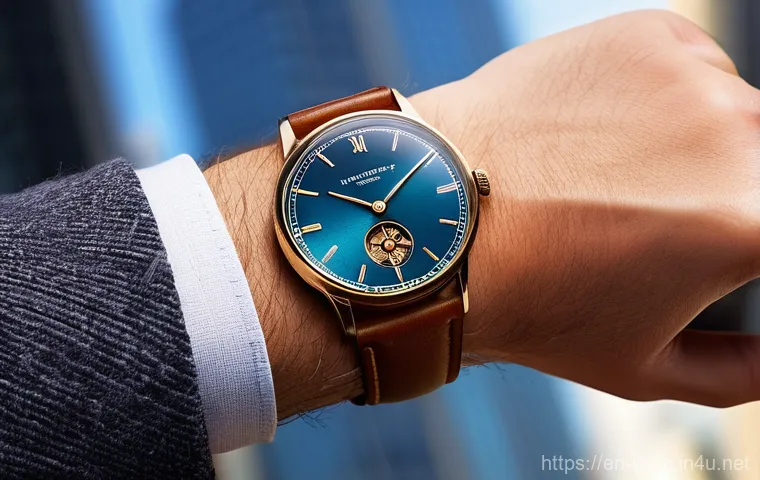
Okay, let’s talk practicalities, because a watch isn’t just a static object – it’s a living, breathing (or ticking!) piece of machinery, and it needs a bit of care to stay at its best. This is another area where the differences between fashion watches and traditional timepieces really come to light. With a quartz fashion watch, maintenance is generally quite straightforward and minimal. Your main concern will be replacing the battery every few years. This is usually a quick, inexpensive job that most jewelers or watch repair shops can handle in minutes. Beyond that, keeping it clean and avoiding harsh impacts is typically all you need to do. They’re designed for convenience and require very little fuss, which is a huge bonus for anyone who wants a stylish accessory without the headache of regular upkeep. However, traditional mechanical watches are a different beast entirely. They’re intricate machines with hundreds of tiny, moving parts that are constantly in motion. Like any precision machinery, they require periodic servicing to ensure optimal performance and longevity. This usually involves taking the movement apart, cleaning, oiling, and reassembling it, a process that should ideally be done every 3-7 years, depending on the manufacturer and the movement itself. This can be a more involved and costly procedure, often requiring a skilled watchmaker. But, in return for this dedicated care, a well-maintained mechanical watch can literally last for generations, becoming a treasured heirloom. It’s a commitment, for sure, but one that offers incredible rewards in terms of enduring quality and performance.
Battery Swaps vs. Comprehensive Servicing
I distinctly remember the first time I needed a battery change for a fashion watch. I popped into a mall jeweler, and it was done in about ten minutes for a nominal fee. Easy peasy! That’s the beauty of quartz movements; their simplicity makes them incredibly user-friendly when it comes to routine maintenance. Compare that to the first time I sent one of my mechanical watches in for a full service. It was a more significant investment, and the watch was away for several weeks. But when it came back, it was running like new, polished, and ready for another five years of reliable timekeeping. It’s a different level of care, akin to taking your car in for a major service versus just topping up the gas. The cost and complexity reflect the underlying engineering. While a mechanical watch might seem more demanding, this regular servicing is precisely what allows it to continue functioning flawlessly for decades, making it a truly sustainable and long-lasting purchase. It’s an investment in the watch’s future, ensuring its heritage continues.
Availability of Parts and Expertise
Another crucial, often overlooked, aspect of longevity is the availability of spare parts and skilled technicians. For many fashion watches, especially those from brands that might quickly pivot to new designs or change manufacturers, getting replacement parts for older models can become challenging over time. If a specific component breaks, it might be difficult or impossible to find an exact replacement, potentially rendering the watch unrepairable. Traditional watch brands, particularly those with a long history, are often much better in this regard. They typically maintain extensive archives of parts, and many have dedicated service centers or authorized repair networks with highly trained watchmakers who specialize in their specific movements. Even for very old models, there’s often a chance to find parts or have them custom-made. I’ve heard countless stories of vintage watches being brought back to life by master watchmakers, something that’s far less likely with a fashion watch once it’s out of production for a few years. This long-term support is a testament to their commitment to quality and is a huge factor in the true longevity and potential heirloom status of a timepiece.
| Feature | Fashion Watches (e.g., Armani) | Traditional Watch Brands (e.g., Rolex, Seiko, Omega) |
|---|---|---|
| Primary Focus | Current trends, aesthetics, brand name recognition | Horological craftsmanship, precision, enduring quality, heritage |
| Movement Type | Predominantly quartz (battery-powered) | Mostly mechanical (automatic or manual-wind), some quartz |
| Materials | Often plated metals, mineral crystal, standard leather | Solid stainless steel, precious metals, sapphire crystal, high-quality leather/bracelets |
| Durability | Good for daily wear, but plating and crystal may show wear over time | Built for longevity, robust and scratch-resistant, designed to last decades |
| Resale Value | Typically low depreciation | Often strong value retention, some models appreciate |
| Maintenance | Battery replacement every few years (simple, inexpensive) | Periodic comprehensive servicing every 3-7 years (more involved, costly) |
| Brand Identity | Extension of a fashion house’s lifestyle brand, licensed production | Deep-rooted horological heritage, in-house expertise, long history of innovation |
| Price Point | Generally more accessible (hundreds of dollars) | Ranges from accessible luxury to high-end (thousands to tens of thousands+) |
The Ultimate Style Choice: Finding Your Perfect Match
Ultimately, when it comes to choosing a watch, the “best” option isn’t about one being inherently superior in every single aspect. It’s truly about finding your perfect match, the watch that resonates most with your personal style, your priorities, and your lifestyle. I’ve owned both fashion watches and pieces from traditional brands, and I can honestly say there’s a place for both in a well-rounded collection, or even as a standalone choice. If your primary goal is to have a stylish accessory that perfectly complements your outfits, keeps up with the latest trends, and offers immediate visual appeal without a hefty investment, then a fashion watch is an absolutely fantastic choice. They’re fun, they’re expressive, and they allow you to experiment with different looks without committing to a major purchase. They’re like that perfect pair of trendy shoes – you wear them, you love them, and when the season changes, you happily move on to the next exciting thing. However, if you’re drawn to the artistry of mechanical engineering, the allure of historical lineage, the satisfaction of owning something built to last generations, and the potential for a watch to hold or even increase in value, then a traditional timepiece is likely going to be your ultimate satisfaction. These watches are more than just time-telling devices; they’re conversation starters, symbols of personal milestones, and sometimes even tangible legacies. It’s about understanding what truly drives your desire for a watch and aligning that with what each category offers. There’s no wrong answer, just a better fit for *you*.
Balancing Aesthetics and Intrinsic Value
For me, the journey into watches started with pure aesthetics. I wanted something that looked good on my wrist, something that would catch the eye. And fashion watches totally delivered on that. I remember the compliments I’d get, and that was a huge part of the enjoyment. But over time, as I learned more, my appreciation shifted to include the intrinsic value – the quality of the movement, the integrity of the materials, the story behind the brand. Now, when I look at a watch, it’s a balance. Can it be beautiful *and* beautifully engineered? Can it be stylish *and* built to last? I’ve found that sometimes, you can absolutely have both, but it’s about making an informed decision. For everyday flair, a fashion watch can still be a go-to. For those milestone moments or for a watch that feels like a genuine companion through life’s adventures, a traditional brand often wins out. It’s about consciously deciding what balance of visual appeal and underlying substance truly makes you happy when you glance down at your wrist.
Personal Connection: What Does Your Watch Say About You?
Ultimately, a watch is a deeply personal item. It’s one of the few pieces of jewelry many of us wear every single day. So, what do you want your watch to say about you? Do you want it to say, “I’m current, I’m fashionable, I pay attention to trends”? Or do you want it to say, “I appreciate craftsmanship, I value history, I invest in lasting quality”? There’s no right or wrong answer, and your choice might even evolve over time, just as mine did. My advice to anyone pondering this dilemma is to explore both worlds. Try on a stunning fashion piece; feel its impact. Then, try on a traditional mechanical watch; feel its weight, listen to its subtle hum, and learn about its heritage. Allow yourself to connect with the watches on an emotional level. The one that truly speaks to you, the one that makes you feel excited every time you put it on, that’s the one for you. Whether it’s a sleek, modern statement piece or a classic, robust workhorse, your watch should be an extension of your unique personality and what you truly value. And trust me, once you find that perfect match, you’ll know it!
The Final Ticking Thoughts
Well, there you have it, folks! We’ve journeyed through the intricate world of timepieces, exploring everything from the trendy allure of fashion watches to the rich heritage and meticulous craftsmanship of traditional brands. It’s been a fascinating ride, diving deep into movements, materials, and what truly makes a watch tick. Remember, there’s no single “right” answer; it’s all about what resonates with your heart, your style, and your journey. Go forth, explore, and let your wrist tell *your* unique story!
Pro Tips for Your Wrist Game
Consider Your Lifestyle First
Before falling for a watch’s looks, think about how you’ll actually wear it. Are you a desk diver, or do you need something truly robust for outdoor adventures? Your daily routine should heavily influence your choice between a delicate dress watch and a sturdy tool watch. Understanding your personal use case is step one to avoiding buyer’s remorse and ensuring your new timepiece genuinely fits into your life. I’ve made the mistake of buying watches that looked amazing but just didn’t suit my active lifestyle, and they ended up sitting in a drawer. Lesson learned!
Try Before You Buy – Seriously
Pictures online are great, and certainly inspiring, but a watch’s true feel, weight, and how it perfectly sits on *your* wrist can only be experienced in person. Head to a reputable AD (Authorized Dealer) or a dedicated watch boutique and try on different sizes and styles. You might be completely surprised by what truly feels right and what unexpectedly catches your eye once it’s actually on your arm. Don’t be shy; reputable sales associates are there to help you find that perfect fit, and it’s a crucial step in making an informed decision.
Don’t Dismiss Pre-Owned
The secondary market for traditional watches is absolutely booming right now, offering fantastic value if you know where to look. You can often find classic and highly sought-after models from esteemed brands at a significantly lower price than retail, or even discover discontinued gems. Just be sure to always buy from trusted dealers or established online platforms with strong authentication processes and clear return policies. There are some incredible deals out there, and it’s a brilliant way to expand your collection without breaking the bank, as long as you’re careful.
Factor In Maintenance Costs for Mechanicals
While a beautiful mechanical watch is a joy to own and a testament to engineering, remember it’s a complex machine that needs periodic care. Budget for professional servicing every few years (typically 3-7 years, depending on the movement). Neglecting this can lead to larger, more expensive repairs down the line, as oils dry up and components wear. Think of it like owning a classic car; it’s an investment in its longevity and performance, and a small cost for keeping a cherished piece ticking flawlessly for decades.
It’s All About Personal Enjoyment
Whether it’s a budget-friendly fashion piece that makes you smile, or a luxurious heirloom destined for future generations, the single most important thing is that *you* genuinely love wearing it. Don’t get too caught up in what others think, or what’s currently “hyped” on social media. Your watch is a personal statement, an extension of your individual style, and it should bring *you* joy and reflect *your* unique taste and values. Trust your gut and choose the watch that truly speaks to you, because ultimately, you’re the one wearing it!
Key Takeaways
When you’re navigating the fascinating and sometimes overwhelming world of watches, remember these crucial distinctions to help guide your choices and ensure long-term satisfaction. Fashion watches truly excel as stylish, trend-forward accessories, offering immediate visual appeal and the ability to complement any outfit at accessible price points. Their value is primarily driven by current aesthetics, brand recognition, and reliable, low-maintenance quartz movements. They’re fantastic for completing an ensemble and staying on top of the latest looks, but they typically offer lower resale value and simpler construction designed for shorter-term ownership. Traditional watch brands, conversely, represent a profound commitment to horological craftsmanship, utilizing robust, enduring materials like scratch-resistant sapphire crystal and high-grade solid steel, paired with intricate mechanical movements designed to last generations with proper servicing. While these timepieces often come with a higher initial investment and necessitate periodic maintenance, they tend to retain their value remarkably well and carry a rich heritage of innovation and design. Ultimately, your decision should align with what you personally value most: the immediate gratification of a stylish, trendy accessory or the enduring craftsmanship, legacy, and potential heirloom status of a traditionally made timepiece. Both paths offer unique joys, and the best watch for you is unequivocally the one that truly makes your wrist sing and resonates with your individual journey!
Frequently Asked Questions (FAQ) 📖
Q: What’s the real difference between a fashion watch and a traditional watch, beyond just the name?
A: This is such a fundamental question, and honestly, it’s one I wrestled with quite a bit when I was starting my watch journey! The biggest distinction really boils down to purpose and priorities.
Fashion watches, like those from Armani or Michael Kors, are primarily designed as stylish accessories to complement your outfit and reflect current trends.
Their main focus is on aesthetics – the look, the feel, the branding. Often, these brands license their name to a watch manufacturer, who then produces watches using more common components and prioritizing trendy designs at a lower cost.
Traditional timepieces, on the other hand, whether from a heritage brand like Seiko or a luxury house like Rolex, put horological craftsmanship and precision first.
Their focus is on the intricate mechanics, the quality of the movement (the “engine” inside the watch), and often, a history of watchmaking expertise.
These brands might have centuries of experience crafting timepieces, and their watches are built to last, often featuring more robust materials and complex movements.
While they certainly have stunning designs, the core is the engineering and the legacy. Think of it like this: a fashion watch is like a fantastic pair of designer sneakers – trendy, looks great, serves its purpose for a season or two.
A traditional watch is more like a finely crafted leather dress shoe – built with enduring quality, timeless style, and designed to be repaired and cherished for years.
Q: Are fashion watches just a waste of money, or can they offer good value and quality?
A: Oh, the age-old debate! Many seasoned collectors might tell you to steer clear of fashion watches entirely, often calling them a “waste of money” because of their perceived low quality for the price.
And I totally get where they’re coming from – some fashion watches do have flimsy clasps, poor water resistance, and cheap components, making them feel overpriced for what you get.
It’s true that the majority of the price can often be attributed to the brand name on the dial rather than the internal mechanics. However, here’s where my personal experience comes in: it’s not always black and white!
“Value” is really subjective. If a fashion watch brings you joy, perfectly matches your style, and you understand its limitations, then it absolutely can offer value to you.
I’ve found some fashion watches to use decent quality materials like stainless steel cases and reliable Japanese quartz movements, which are known for their accuracy and low maintenance.
Some fashion houses, especially those moving into more premium segments, are actually investing in better movements, even automatics, adding significant value and craftsmanship.
The key is to be a discerning buyer. While they typically depreciate quickly and aren’t investment pieces like many luxury watches, if you love the design and it fits your budget for a stylish accessory, they can be a perfectly fine purchase.
Just don’t expect it to be an heirloom, and remember that quality can vary widely even within fashion brands.
Q: If I love the look of a fashion watch, but also care about quality, what should I consider before buying one?
A: Fantastic question! It’s all about making an informed choice, striking that balance between style and substance. If you’re drawn to the aesthetic of a fashion watch but want to ensure you’re getting something decent, here’s what I always tell my friends to look out for:First, check the movement type.
While many fashion watches use affordable, reliable quartz movements (which are great for accuracy and low maintenance), some higher-end fashion brands are starting to incorporate automatic movements.
An automatic movement, powered by the motion of your wrist, often signals a step up in craftsmanship and can make the watch feel more “alive”. Even with quartz, research if it’s a reputable movement, like a Miyota or Ronda.
Next, pay close attention to the materials. Look for stainless steel for the case and bracelet, as it offers good durability and corrosion resistance compared to cheaper base metals.
For the crystal (the glass protecting the dial), mineral crystal is common and acceptable, but sapphire crystal is a huge step up in scratch resistance, often found in more premium watches.
Also, check the strap – genuine leather or a well-made bracelet will feel much better and last longer than synthetic alternatives. Finally, consider the water resistance and warranty.
Even if you’re not planning to dive, a decent water resistance (say, 50 meters or 5 ATM) gives you peace of mind against splashes and rain. And a good warranty from the brand shows they stand behind their product.
Do a quick search for reviews specifically mentioning durability or common issues. My advice? Trust your gut on the aesthetics, but back it up with a little research on these key quality indicators.
It’s totally possible to find a stylish fashion watch that’s also well-made and will happily tick away on your wrist for years!