Unlocking the Power of Chronographs: 7 Essential Tips for Mastering Stopwatch Functions

webmaster

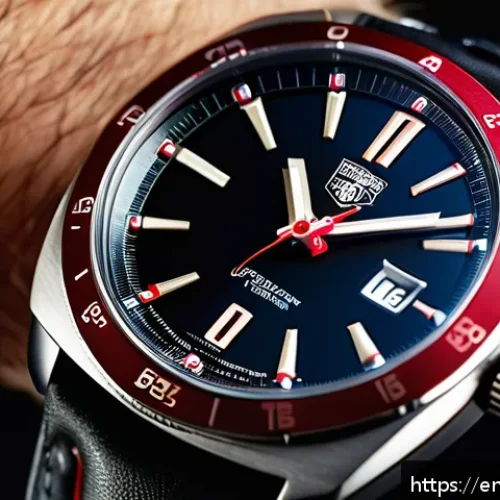
크로노그래프 기능과 사용법 - A close-up, hyper-realistic image of a modern chronograph wristwatch on a male wrist, focusing on th...

If you’ve ever admired a watch with multiple dials and wondered what all those buttons do, you’re not alone. The chronograph function is more than just a stylish feature—it’s a practical tool that combines the precision of a stopwatch with the elegance of a wristwatch.

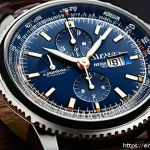
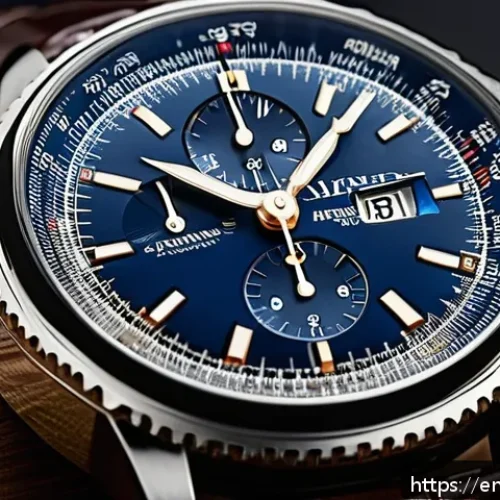
크로노그래프 기능과 사용법 관련 이미지 1

Whether you’re timing your morning run, tracking laps, or just curious about how it works, understanding this function can add a new layer of appreciation to your timepiece.

From start to stop, reset to lap timing, mastering the chronograph can be surprisingly straightforward. Let’s dive in and uncover the details together!

How Different Chronograph Buttons Control Your Watch

Understanding the Start/Stop Button

The start/stop button is usually located at the 2 o’clock position on most chronograph watches. When you press it once, the central second hand begins to sweep around the dial, measuring elapsed time just like a stopwatch.

Pressing it again halts the timing, letting you read the exact duration. I’ve found this feature especially handy when timing quick tasks or workouts, giving me precise control over when to begin and end the count.

It’s a simple button, but mastering its timing can make a big difference in how you use your watch for everyday activities.

What the Reset Button Does and When to Use It

Located commonly at 4 o’clock, the reset button springs into action only after you’ve stopped the chronograph. Pressing it sends all the stopwatch hands back to zero, readying your watch for the next timing session.

I learned the hard way that trying to reset while the stopwatch is running won’t work on most models, which can be a bit frustrating if you’re in a hurry.

This step is crucial for accurate lap timing or when you want to clear previous data without disrupting your watch’s main timekeeping functions.

Extra Buttons and Crown Functions

Some chronographs feature additional buttons or a screw-down crown that controls various subdials or additional timing modes. These may include split timing or flyback functions that let you measure intervals without stopping the overall stopwatch.

While they can seem intimidating at first glance, spending a few minutes experimenting with these features can reveal a wealth of practical uses, from tracking multiple events to timing complex activities like cooking or sports drills.

Advertisement

Decoding the Subdials: What Each Small Dial Measures

Seconds Subdial: Beyond the Main Sweep Hand

Many chronographs use a small seconds subdial to keep track of continuous seconds, separate from the stopwatch function. This means while the main second hand is reserved for timing events, the subdial quietly keeps your watch running accurately.

From personal experience, this dual system prevents any confusion when glancing at your watch during busy moments, as you can instantly tell whether the chronograph is active or just regular time is being displayed.

Minute and Hour Counters for Longer Events

Chronograph watches often include subdials dedicated to counting minutes and sometimes hours elapsed during timing. For example, a 30-minute counter helps track shorter activities like workouts or meetings, while an hour counter can time marathon runs or longer trips.

I remember timing a road trip with my watch’s hour counter and how convenient it was to see elapsed time at a glance without needing a separate device.

Using Tachymeter and Other Scale Features

Some chronographs incorporate a tachymeter scale on the bezel or dial, which calculates speed based on travel time. By measuring how long it takes to cover a known distance, you can quickly estimate speed—perfect for racing enthusiasts or even cyclists.

Though it might sound technical, I found it surprisingly fun to try out during a weekend bike ride, adding a bit of sporty flair to my casual timekeeping.

Advertisement

Common Chronograph Uses You Might Not Know About

Timing Everyday Activities with Precision

Many people think chronographs are only for athletes or professionals, but in reality, they’re perfect for everyday timing needs. Whether you’re boiling eggs, timing a work break, or tracking how long your coffee brews, the chronograph gives you second-level precision without pulling out your phone.

From my experience, using the watch feels more natural and less distracting than fiddling with apps or gadgets.

Sports and Fitness: Why Chronographs Shine

Chronographs are a favorite among runners, swimmers, and cyclists because they offer quick lap timing and split-second accuracy. I’ve personally used mine to measure interval runs and rest periods, helping me improve performance without relying on bulky devices.

The tactile feel of pressing the buttons and watching the hands move adds a satisfying, hands-on element to training.

Creative and Professional Applications

Outside of sports, chronographs can assist in professional fields like aviation, engineering, or even cooking. Pilots might use them to log flight segments, while chefs time multiple dishes simultaneously.

I once saw a photographer use a chronograph to time exposures for long-exposure shots, proving how versatile these watches can be beyond just telling time.

Advertisement

Tips for Maintaining Your Chronograph’s Performance

Regular Cleaning and Button Care

Chronographs rely on intricate mechanical parts, so keeping buttons clean and free from debris is essential. I make it a habit to gently wipe down the watch with a soft cloth after outdoor activities, especially if I’ve been sweating or exposed to dust.

Avoiding harsh chemicals and moisture near the buttons helps prevent sticky or malfunctioning controls, ensuring smooth operation over time.

Battery and Movement Checks

If you own a quartz chronograph, battery life can affect the stopwatch’s accuracy and function. I learned to replace mine promptly when the chronograph started lagging or failing to reset properly.

For mechanical models, regular servicing every few years keeps the gears lubricated and the timing precise. Investing in professional maintenance pays off in reliability and longevity.

Storing Your Chronograph Properly

When not in use, storing your watch in a cushioned box or watch winder prevents unnecessary wear and tear. I’ve noticed that keeping it away from magnetic fields and extreme temperatures helps preserve the delicate timing mechanisms.

Proper storage is a small step that can save you from costly repairs down the line.

Advertisement

Comparing Popular Chronograph Styles and Their Features

Classic vs. Modern Chronographs

Classic chronographs tend to emphasize simplicity and vintage design, often with fewer complications and manual winding mechanisms. Modern chronographs might include digital features, multiple subdials, and enhanced durability.

크로노그래프 기능과 사용법 관련 이미지 2

I personally appreciate the charm of a classic mechanical chronograph but enjoy the practicality of modern versions for daily wear and active lifestyles.

Swiss-Made vs. Japanese Chronographs

Swiss chronographs are renowned for precision engineering, craftsmanship, and often carry a luxury price tag. Japanese chronographs, on the other hand, offer great reliability and affordability with solid quartz movements.

Having owned both, I can say Swiss models feel more like heirlooms, while Japanese watches provide excellent value and ease of use.

Water Resistance and Chronograph Functionality

Not all chronographs are created equal when it comes to water resistance. Some are designed for diving and can be operated underwater, while others are only splash-proof.

I always check the water resistance rating before using my chronograph around water, especially since pressing buttons underwater can damage certain models.

It’s a key factor to consider depending on your lifestyle.

Chronograph Feature Common Location Function Usage Tip
Start/Stop Button 2 o’clock Starts and stops the stopwatch hand Press once to start, press again to stop before resetting
Reset Button 4 o’clock Resets stopwatch hands to zero Only works after stopping the chronograph
Small Seconds Subdial Usually 6 or 9 o’clock Shows continuous seconds for regular time Helps distinguish normal time from chronograph timing
Minute Counter Subdial Often 3 or 9 o’clock Tracks minutes elapsed during timing Useful for timing workouts or meetings
Hour Counter Subdial Varies by model Counts hours for long duration timing Great for marathon or long event tracking
Tachymeter Scale Bezel or dial perimeter Calculates speed over distance Ideal for racing or measuring travel speed
Advertisement

Common Mistakes to Avoid When Using Your Chronograph

Pressing Reset While Running

One mistake I made early on was trying to hit the reset button while the chronograph was still running. This usually doesn’t work and can sometimes cause your watch’s hands to get stuck or misaligned.

The best practice is to always stop the timer first, then reset. It’s a small step that saves you from unnecessary frustration and potential damage.

Ignoring Water Resistance Limits

Many users assume their watch can handle any water exposure, but chronographs often have limits that, if exceeded, can lead to costly repairs. I once accidentally pressed my chronograph buttons underwater while swimming, which caused moisture to seep inside.

Since then, I’ve been careful to check the specifications and avoid using buttons when submerged unless explicitly designed for it.

Overusing Chronograph Functions Without Servicing

Constantly using the chronograph function without regular maintenance can wear down the internal gears faster than normal. I noticed my mechanical chronograph started losing accuracy after heavy use without servicing.

Scheduling regular check-ups with a watchmaker helps keep your timepiece in top shape and prevents premature wear.

Advertisement

How to Customize Your Chronograph for Better Usability

Choosing Strap and Case Materials

Your watch’s strap and case can impact comfort and functionality. For example, a rubber or silicone strap might be better suited for sports and outdoor use, while leather gives a dressier appearance.

I swapped my chronograph’s strap depending on the occasion, which made wearing it all day more enjoyable and practical.

Adjusting Hand Positions for Clear Reading

Some chronographs allow you to reset the hands manually if they become misaligned. I found it useful to learn this adjustment through the manual or a trusted watchmaker, especially after battery changes or impacts.

Clear hand positioning is key to reading elapsed time quickly and accurately.

Adding Protective Features and Accessories

To keep your chronograph looking sharp, consider screen protectors or protective cases designed specifically for watches. I added a sapphire crystal protector to mine, which helped prevent scratches during everyday wear.

Small accessories like this extend the life and appearance of your watch without compromising style or function.

Advertisement

Wrapping Up

Chronograph watches are more than just stylish accessories—they’re practical tools that blend precision and versatility. Understanding how each button and dial works enhances your experience, whether you’re timing workouts, cooking, or tracking professional tasks. With proper care and a bit of practice, your chronograph can become an indispensable part of your daily routine. Enjoy exploring all the features your watch has to offer and make the most of its capabilities.

Advertisement

Useful Tips to Keep in Mind

1. Always stop the chronograph before pressing the reset button to avoid damaging the mechanism.

2. Regularly clean the buttons and case to maintain smooth functionality and prevent debris buildup.

3. Check your watch’s water resistance rating before using it around water, and avoid pressing buttons underwater unless designed for it.

4. Schedule periodic servicing for mechanical chronographs to ensure long-term accuracy and performance.

5. Customize your watch’s strap and protective accessories to fit your lifestyle and enhance comfort.

Advertisement

Key Takeaways

Mastering the use of chronograph buttons unlocks the full potential of your watch’s stopwatch functions. Proper operation—starting, stopping, and resetting at the right moments—prevents mechanical issues and enhances accuracy. Maintenance, including cleaning and timely battery or servicing checks, plays a vital role in preserving your watch’s reliability. Lastly, understanding your chronograph’s unique features and limitations, like water resistance and additional functions, ensures you get the most from your timepiece without unexpected setbacks.

Frequently Asked Questions (FAQ) 📖

Q: How do I start, stop, and reset the chronograph on my watch?

A: Most chronograph watches have two buttons on the side—usually above and below the crown. To start timing, press the top button once. Press the same button again to stop the timer.
When you’re ready to reset, press the bottom button, and the chronograph hands will snap back to zero. I found that practicing this a few times helped me get comfortable without fumbling during actual timing moments.

Q: Can I use the chronograph to time multiple laps or intervals?

A: Yes! Many chronographs have a lap or split time function. After starting the timer, pressing the bottom button will record a lap time without stopping the overall timing.
This means you can track individual laps while the main stopwatch continues running. It’s a handy feature if you’re running multiple intervals or timing different segments of an event.
Just keep in mind that lap functionality varies by watch model, so checking your manual helps.

Q: Is the chronograph function just for sports, or can I use it for everyday activities?

A: The chronograph is surprisingly versatile beyond sports. I’ve used it to time cooking, monitor parking meters, and even keep track of phone calls. It’s like having a precise stopwatch on your wrist without needing extra gadgets.
Plus, it adds a cool mechanical vibe to your watch, blending style with practical use in daily life. So whether you’re a runner or just someone who appreciates timing things accurately, the chronograph is a great tool to have.

📚 References


➤ Link

– Google Search

➤ Link

– Bing Search

➤ Link

– Google Search

➤ Link

– Bing Search

➤ Link

– Google Search

➤ Link

– Bing Search

➤ Link

– Google Search

➤ Link

– Bing Search

➤ Link

– Google Search

➤ Link

– Bing Search

➤ Link

– Google Search

➤ Link

– Bing Search

➤ Link

– Google Search

➤ Link

– Bing Search

➤ Link

– Google Search

➤ Link

– Bing Search