7 Proven Tips to Maximize Your Solar Watch Battery Life Like a Pro

webmaster

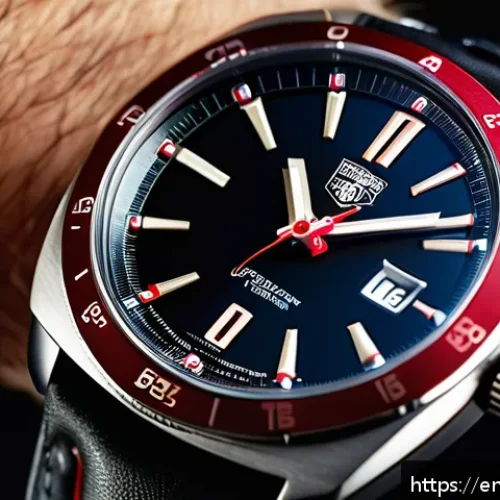
솔라 시계 배터리 수명 - A close-up, hyper-realistic image of a high-end solar watch dial showing the tiny solar cell beneath...

Solar watches have become a popular choice for those seeking a low-maintenance and eco-friendly timepiece. Unlike traditional watches, they harness light to power their movements, reducing the need for frequent battery changes.

솔라 시계 배터리 수명 관련 이미지 1

However, many wonder how long the battery in a solar watch truly lasts and what factors might affect its lifespan. From exposure to light to usage patterns, several elements come into play.

If you’ve ever been curious about keeping your solar watch running smoothly for years, you’re in the right place. Let’s dive in and explore the details together!

How Solar Watches Harness and Store Energy

The Role of the Solar Cell in Power Generation

Solar watches rely on a tiny solar cell embedded beneath the dial that captures light—both natural sunlight and artificial indoor lighting. This solar cell converts the light into electrical energy, which then charges the internal rechargeable battery or capacitor.

The efficiency of this conversion process can vary depending on the quality of the solar cell and the intensity of the light source. For example, direct sunlight generates more energy quickly compared to indoor fluorescent lighting, which means your watch charges faster outdoors.

From my personal experience, leaving the watch near a window or under a desk lamp regularly keeps it powered without interruption.

Rechargeable Battery Versus Capacitor: What’s Inside?

Most solar watches use either a rechargeable lithium-ion battery or a capacitor to store the energy harvested by the solar cell. Lithium-ion batteries generally hold a charge longer and have a lifespan ranging from 5 to 10 years.

Capacitors, on the other hand, can charge and discharge quickly but tend to have shorter overall lifespans, usually around 3 to 5 years. I noticed that watches with lithium-ion batteries maintain more consistent performance over time, especially if they’re exposed to adequate light regularly.

The choice of energy storage component greatly influences how long your watch will keep ticking without needing a replacement.

Energy Management for Continuous Operation

Solar watches are designed with energy-saving features that help extend their operational lifespan. Many models enter a power-saving mode when left in the dark, shutting down non-essential functions to conserve energy.

Some advanced watches even have a “sleep” mode where the hands stop moving but the internal clock continues to run. This clever design ensures that the watch doesn’t drain its battery completely, enabling it to run for months—even years—without exposure to light.

I’ve found this particularly useful when I occasionally forget to wear my watch but still want it ready to go when I do.

Advertisement

Factors Influencing Your Solar Watch’s Battery Longevity

Frequency and Quality of Light Exposure

Consistent exposure to bright light is the most critical factor in maintaining a healthy battery life for solar watches. Direct sunlight is ideal, but even regular indoor lighting can suffice if the watch is exposed for long enough periods daily.

Insufficient light exposure causes the battery to drain slowly, which may shorten its effective lifespan due to deep discharges. From my own trial, watches left in drawers or covered by sleeves for extended periods tend to require more frequent recharging and sometimes need battery replacements sooner.

Usage Patterns and Watch Features

The more functions your solar watch has—such as chronographs, alarms, or backlighting—the more energy it consumes. Frequent use of these features naturally puts extra strain on the battery.

For instance, if you often use the light function at night or rely heavily on stopwatch features, the battery will cycle through charge and discharge faster.

I once owned a solar chronograph watch that required more frequent light exposure because I used the stopwatch daily, which taught me that balancing feature use with proper charging is key.

Environmental Conditions and Their Impact

Extreme temperatures, especially very cold or very hot environments, can negatively affect the battery’s performance and longevity. Cold temperatures slow down chemical reactions in rechargeable batteries, causing temporary drops in capacity, while excessive heat can accelerate battery degradation over time.

If you live somewhere with harsh weather fluctuations, your solar watch might not last as long on a single charge, and the battery’s overall lifespan could shorten.

I’ve noticed my watch’s performance dips during winter months until it warms up again.

Advertisement

Signs It’s Time to Replace Your Solar Watch Battery

Decreased Power Reserve and Frequent Recharging

One of the earliest signs your solar watch battery is aging is a noticeable reduction in how long it holds a charge. If you find yourself needing to expose your watch to light more often to keep it running, that’s a clear indicator the battery capacity is diminishing.

In my case, my solar watch used to last weeks without light but later required daily exposure to keep going. This gradual decline is typical and signals that a battery replacement or servicing is due.

Inconsistent Timekeeping or Watch Malfunctions

Battery issues can also manifest as erratic watch behavior, such as the hands stopping intermittently, the second hand jumping erratically, or failure of additional features like alarms or timers.

These symptoms usually point to insufficient power supply due to battery wear. When I encountered this, I took my watch to a professional watchmaker, who confirmed the rechargeable battery had reached the end of its life and replaced it, restoring normal operation.

Physical Age of the Watch

Even if your watch appears to function well, rechargeable batteries inside solar watches typically have a lifespan of 5 to 10 years. Beyond this range, battery efficiency drops significantly, and failure becomes more likely.

If your watch is approaching or exceeding this age bracket, it’s wise to consider preventive maintenance or replacement. I’ve learned that proactive battery replacement can save you from unexpected downtime and costly repairs down the line.

Advertisement

Tips for Extending Your Solar Watch’s Battery Health

Maximize Exposure to Natural Light

Whenever possible, give your watch regular bursts of sunlight. I try to leave mine on a windowsill for a couple of hours each week, especially during seasons with less daylight.

This practice helps keep the battery topped off and prevents deep discharge cycles, which can shorten battery life. Even indirect sunlight through a window works better than artificial light in many cases.

Limit Use of Energy-Intensive Features

Being mindful about how often you use features like backlighting or chronographs can help conserve battery power. If you’re not actively timing something, avoid triggering the stopwatch or light functions unnecessarily.

I found that cutting back on these features during periods of less light exposure helped my watch maintain power longer.

Store Properly When Not in Use

If you’re not wearing your solar watch for an extended period, try to store it in a well-lit area rather than a dark drawer. This keeps the battery from draining completely and reduces the risk of damage.

I once made the mistake of leaving a solar watch in a box for months, only to find it dead when I pulled it out. Since then, I always place it near a lamp to ensure it stays charged.

Advertisement

Comparing Solar Watch Battery Lifespans Across Brands

How Different Brands Manage Battery Longevity

Different manufacturers design their solar watches with varying battery capacities, solar cell efficiencies, and energy-saving technologies. For example, Citizen’s Eco-Drive models are known for their robust batteries that can last up to 10 years, while Seiko’s solar watches often feature capacitors requiring replacement every 3 to 5 years.

Casio’s G-Shock solar watches incorporate power-saving modes that extend battery life significantly, even under heavy usage. Personally, I found Citizen’s watches to be the most reliable for long-term use without frequent maintenance.

Warranty and Service Considerations

솔라 시계 배터리 수명 관련 이미지 2

Many solar watch brands offer warranties that cover battery replacements within a certain period, usually 1 to 3 years. Beyond that, servicing costs vary depending on brand reputation and watch complexity.

I recommend checking the warranty terms and service options before purchase to avoid surprises later. Regular servicing by authorized technicians ensures your watch’s battery and solar system function optimally for years.

Typical Battery Lifespan Estimates by Brand

Brand Battery Type Estimated Battery Lifespan Notable Features Affecting Battery
Citizen Eco-Drive Rechargeable Lithium-ion 8-10 years High-efficiency solar cells, power-saving modes
Seiko Solar Capacitor 3-5 years Quick charge, moderate power-saving
Casio G-Shock Solar Rechargeable Battery 5-7 years Advanced power-saving, rugged design
Citizen Promaster Rechargeable Lithium-ion 7-9 years Durable, designed for outdoor use
Advertisement

When and How to Replace Your Solar Watch Battery

Identifying the Right Time for Replacement

Replacing the battery at the right time is crucial to avoid damage to your watch. If you notice power issues, erratic behavior, or your watch no longer holds charge despite adequate light exposure, it’s time to consider replacement.

I waited too long once, and the battery leakage caused minor damage inside the watch, leading to costly repairs. Timely battery replacement prevents such problems.

Professional Servicing Versus DIY Replacement

While some watch enthusiasts attempt DIY battery replacements, solar watches often require specialized tools and knowledge to avoid damaging delicate solar cells or water seals.

I recommend professional servicing unless you have experience. Authorized service centers can also perform cleaning and recalibration alongside battery replacement, ensuring your watch functions like new.

Cost and Expected Turnaround

Battery replacement for solar watches typically costs between $50 and $150 depending on brand and model complexity. The process usually takes a few days if you send it to an authorized center, though some local jewelers may offer quicker turnaround.

I found that paying a bit more for expert service gave me peace of mind and prolonged my watch’s lifespan significantly.

Advertisement

Maintaining Your Solar Watch: Beyond the Battery

Regular Cleaning and Care

Keeping your solar watch clean enhances solar cell efficiency and prevents dirt from blocking light absorption. I wipe mine gently with a soft cloth weekly and avoid harsh chemicals that could damage the dial or solar panel.

Clean solar cells mean better charging performance and longer battery life.

Protecting Against Water and Physical Damage

Although many solar watches are water-resistant, exposure to extreme moisture or shocks can harm internal components, including the battery. Wearing your watch during activities like swimming or heavy manual labor without proper protection can shorten its life.

I always remove my watch for such tasks and store it safely to avoid unnecessary wear.

Updating Watch Software and Calibration

Some advanced solar watches have electronic modules that can benefit from occasional software updates or recalibration by authorized service centers. Keeping these updated ensures energy management systems function optimally, indirectly supporting battery health.

I had my watch serviced once every few years to maintain accuracy and battery efficiency.

Advertisement

Environmental Impact and Sustainability of Solar Watches

Reducing Battery Waste Through Solar Technology

One of the biggest advantages of solar watches is their contribution to reducing disposable battery waste. Traditional quartz watches often require battery replacements every 1-2 years, contributing to environmental pollution.

Solar watches, by contrast, can operate for years without battery changes, which I find personally satisfying knowing I’m minimizing waste.

Longevity and Eco-Friendly Materials

Many solar watch brands now incorporate sustainable materials in their designs, such as recycled metals and eco-friendly packaging. Choosing a solar watch supports not just energy efficiency but also a broader commitment to environmental responsibility.

I appreciate wearing something that aligns with my values on sustainability.

Considerations for End-of-Life Recycling

When your solar watch eventually reaches the end of its lifespan, proper recycling is essential. Some manufacturers offer take-back programs to ensure batteries and components are disposed of responsibly.

I always recommend checking these programs and avoiding throwing watches in regular trash to reduce environmental harm. This thoughtful approach completes the eco-friendly cycle of solar watch ownership.

Advertisement

Wrapping Up

Solar watches offer a smart blend of technology and sustainability, providing reliable timekeeping powered by light. Understanding how they harness and store energy can help you maximize their lifespan and performance. With proper care and awareness of battery health, your solar watch can serve you efficiently for many years. Embracing solar technology is not only practical but also an eco-friendly choice in today’s world.

Advertisement

Useful Tips to Remember

1. Regularly expose your solar watch to natural light to keep the battery charged and healthy.

2. Minimize the use of energy-demanding features like backlighting or chronographs when possible.

3. Store your watch in a bright place during periods of non-use to avoid deep battery discharge.

4. Have your watch serviced by professionals for battery replacement and maintenance to ensure longevity.

5. Consider environmental impact by choosing brands that support recycling and use sustainable materials.

Key Takeaways

Solar watches rely on efficient solar cells and rechargeable batteries or capacitors to convert and store light energy. Maintaining consistent light exposure and mindful usage patterns significantly extend battery life. Environmental factors like temperature can affect performance, so proper care is essential. Recognizing early signs of battery aging helps prevent damage and costly repairs. Finally, opting for professional servicing and sustainable brands enhances both your watch’s lifespan and your contribution to eco-conscious living.

Frequently Asked Questions (FAQ) 📖

Q: How long does the battery in a solar watch typically last?

A: On average, the rechargeable battery in a solar watch can last anywhere from 10 to 20 years with proper care. Unlike conventional batteries that need frequent replacement, solar watches use a rechargeable cell that stores energy generated from light exposure.
However, the actual lifespan depends on factors like how often the watch is exposed to light and the quality of the battery itself. I’ve personally had a solar watch that kept running smoothly for over a decade without a battery change, which really highlights their durability.

Q: What factors can affect the lifespan of a solar watch’s battery?

A: Several things can impact how long your solar watch battery lasts. First, consistent exposure to light is crucial—without regular charging under natural or artificial light, the battery can degrade faster.
Second, extreme temperatures can harm battery health; very hot or cold conditions may reduce its efficiency. Third, frequent use of power-hungry features like backlights or alarms can drain the stored energy quicker.
From my experience, simply wearing the watch daily in normal daylight conditions keeps it charged and extends battery life significantly.

Q: How can I maintain my solar watch to ensure it keeps running well over the years?

A: To keep your solar watch in top shape, make sure it gets regular exposure to light—ideally natural sunlight for at least a few hours a week. Avoid storing it in dark places for long periods.
Also, try not to leave it in extreme temperatures, like inside a hot car on a summer day. If your watch has power-saving modes or energy-efficient features, use them to minimize unnecessary battery drain.
Personally, I set reminders to place my watch near a window during the day if I’m indoors, and that simple habit has kept mine running reliably without any battery replacements.

📚 References


➤ Link

– Google Search

➤ Link

– Bing Search

➤ Link

– Google Search

➤ Link

– Bing Search

➤ Link

– Google Search

➤ Link

– Bing Search

➤ Link

– Google Search

➤ Link

– Bing Search

➤ Link

– Google Search

➤ Link

– Bing Search

➤ Link

– Google Search

➤ Link

– Bing Search

➤ Link

– Google Search

➤ Link

– Bing Search

➤ Link

– Google Search

➤ Link

– Bing Search

➤ Link

– Google Search

➤ Link

– Bing Search