5 Expert Tips to Easily Replace Your Watch Strap and Save Money

webmaster

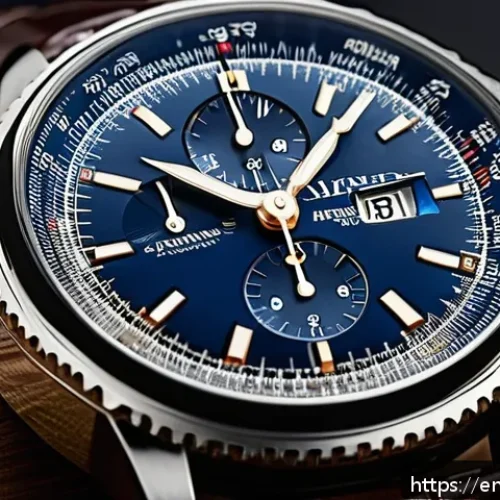
시계 스트랩 DIY 교체 가이드 - A close-up shot of a classic wristwatch with a rich, dark brown leather strap made from soft calfski...

Changing your watch strap can instantly refresh your style and give your favorite timepiece a whole new vibe. Whether you’re aiming for a sleek leather look or a sporty silicone band, swapping straps is easier than you might think.

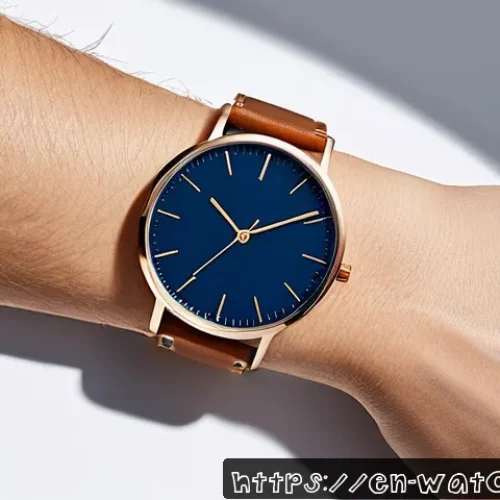
시계 스트랩 DIY 교체 가이드 관련 이미지 1

Plus, it’s a cost-effective way to customize your watch without buying a new one. Over time, straps wear out or you might just want to match them to your outfit or mood.

If you’ve never tried it before, don’t worry—this guide will walk you through everything step-by-step. Let’s dive in and explore how you can upgrade your watch with a simple strap change!

Choosing the Right Strap Material for Your Lifestyle

Understanding Leather: Classic Elegance with a Personal Touch

Leather straps are timeless, offering a sophisticated look that elevates any watch. What I’ve found over the years is that the quality of leather can vary widely—from buttery soft calfskin to rugged, textured alligator styles.

The beauty of leather is its ability to mold to your wrist over time, becoming uniquely yours. However, leather isn’t ideal for sweaty workouts or rainy days since it can absorb moisture and wear faster.

Still, if you want a strap that ages gracefully and adds a touch of class to your outfit, leather is a top choice.

Silicone and Rubber: The Go-To for Active Days

When it comes to comfort and durability, silicone or rubber straps are hard to beat. I personally rely on these for my gym sessions and outdoor adventures because they’re waterproof, easy to clean, and incredibly flexible.

Plus, they come in a variety of colors, making it fun to swap out based on your mood or attire. The only downside I’ve noticed is that some cheaper silicone bands can attract lint or sweat odors if not cleaned regularly.

Still, for a sporty, no-fuss option, they’re my daily go-to.

Metal Bracelets: Durable and Dressy with a Weighty Feel

Metal straps like stainless steel or titanium bring a robust and premium vibe to any watch. I love how they give a bit of heft and solid presence on the wrist, especially when paired with a dress watch.

Metal bracelets are also super durable and typically last longer than leather or silicone. The flip side is they can be heavier and sometimes pinch skin or pull hair if not adjusted properly.

But once you get the sizing right, a metal bracelet can really boost your watch’s versatility from casual to formal settings.

Advertisement

Essential Tools and Tips for a Smooth Strap Swap

Gathering Your Tools: What You Really Need

Before jumping in, make sure you have the right tools on hand. From my experience, a spring bar tool is the must-have item—it helps you safely remove and install the tiny spring bars that hold your strap in place.

I also keep a small, soft cloth nearby to protect my watch face from accidental scratches. Tweezers or a tiny flat-head screwdriver can be handy for stubborn spring bars, but avoid using household tools like knives, which can damage your watch or strap.

Creating a Comfortable Workspace

I always recommend working on a clean, flat surface with good lighting. A padded mat or towel underneath your watch prevents scratches if you slip. It’s also helpful to have a small container or magnetic tray to hold tiny parts so they don’t get lost.

Taking your time and working patiently makes a huge difference—rushing can lead to bent spring bars or scratched lugs.

Quick Tips for Handling Spring Bars

Spring bars can be tricky, especially if they’re old or stiff. I’ve learned that applying gentle pressure and wiggling the bar slightly can help release it smoothly.

If a spring bar is too tight, soaking it in a tiny bit of oil can loosen it up. When inserting new spring bars, make sure they’re seated securely to avoid your strap popping off unexpectedly.

A little practice here goes a long way in preventing damage.

Advertisement

Step-by-Step Guide to Removing Your Old Watch Strap

Locating the Spring Bars

The first step is identifying where the spring bars sit between your watch case lugs. They’re usually thin metal rods that hold the strap in place by compressing into small holes on the watch’s lugs.

I’ve noticed that some watches have quick-release pins on the back of the strap, which makes removal even simpler—just slide the tiny lever and the strap pops off.

Removing the Strap with a Spring Bar Tool

Using the forked end of a spring bar tool, gently compress one side of the spring bar inward while pulling the strap away from the watch case. It can take a bit of patience, but once the spring bar compresses, the strap should release smoothly.

Repeat this on the other side, then carefully remove the spring bars to reuse them if they’re still in good condition.

Handling Difficult Cases and Tips for Stubborn Bars

If the spring bars don’t budge easily, don’t force them. Instead, try repositioning your tool or slightly twisting the strap to relieve tension. Sometimes a small drop of lubricant helps loosen corroded bars.

I’ve also found that warming the watch briefly with your hand’s heat can make metal parts expand slightly, easing removal. Just be cautious not to overheat or damage your watch.

Advertisement

Installing Your New Strap Like a Pro

Preparing the New Strap and Spring Bars

Before installation, make sure your new strap is the correct width to fit between your watch lugs. Most straps come with new spring bars, but if you’re reusing old ones, inspect them closely for any signs of wear or damage.

I always recommend using fresh spring bars when possible for extra security. Insert the spring bars into the strap ends, aligning them carefully to avoid bending.

Attaching the Strap to the Watch Case

To attach, compress one end of the spring bar and place it into the lug hole. Then align the other end with the opposite hole and release the bar so it snaps securely into place.

You should hear or feel a small click. It’s important to check both sides by gently tugging on the strap to make sure it’s firmly seated. This step gives me peace of mind knowing my watch won’t accidentally detach.

Final Adjustments and Sizing

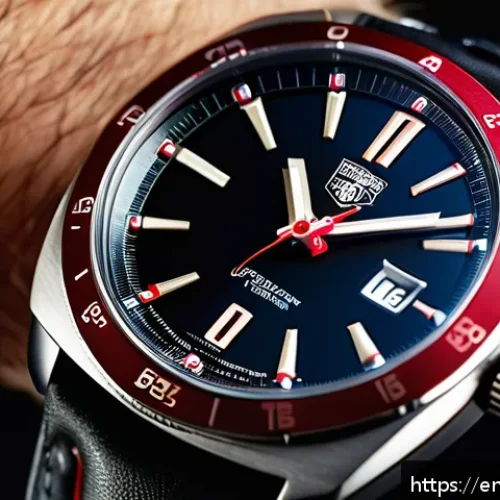
시계 스트랩 DIY 교체 가이드 관련 이미지 2

Once the strap is attached, adjust the length for a comfortable fit. Leather straps usually have multiple holes, while metal bracelets may require removing or adding links.

For metal bands, I use a link removal tool or visit a local jeweler for precise sizing. Silicone and fabric straps are generally easier to adjust on the fly.

A properly fitted strap not only looks better but also feels more secure and enjoyable to wear.

Advertisement

Comparing Popular Strap Types: Pros and Cons

Strap Type Advantages Disadvantages Best For
Leather Elegant, molds to wrist, versatile style Not water-resistant, wears with sweat and moisture Formal occasions, everyday casual
Silicone/Rubber Waterproof, lightweight, easy to clean Can attract lint, may develop odors Sports, outdoor activities
Metal Bracelets Durable, dressy, long-lasting Heavier, can pinch skin or pull hair Formal wear, business, everyday use
Nylon/Fabric Breathable, colorful, adjustable Less durable, can fray over time Casual, summer wear, military style
Advertisement

Maintaining Your Watch Strap for Longevity

Cleaning Techniques for Different Materials

Proper care extends your strap’s life significantly. For leather, I recommend using a damp cloth with mild soap sparingly and conditioning it occasionally with leather balm.

Silicone and rubber straps can be rinsed with warm water and mild detergent—just make sure to dry them thoroughly. Metal bracelets benefit from a soft brush and soapy water to remove dirt trapped between links.

Fabric straps can be hand-washed gently, but avoid machine washing to prevent fraying.

Storage Tips When Not Wearing Your Watch

When you’re not wearing your watch, storing it properly helps maintain both strap and watch condition. I usually keep mine in a soft pouch or watch box away from direct sunlight and humidity.

For leather straps, avoid airtight containers that can trap moisture. Instead, opt for breathable storage to prevent mold or odor buildup. Switching straps seasonally and rotating your watches also gives each strap a chance to rest and recover.

Knowing When to Replace Your Strap

Even with good care, straps will eventually show signs of wear—cracks in leather, stretched holes, broken spring bars, or discoloration. When the strap no longer feels secure or looks tired, it’s time for a swap.

I always suggest keeping a couple of spare straps ready; it’s a fun way to refresh your watch’s look without delay. Plus, investing in quality replacements pays off in comfort and style over the long run.

Advertisement

Exploring Stylish Strap Combinations to Elevate Your Look

Mixing and Matching Colors and Textures

One of the best parts about changing watch straps is experimenting with different colors and textures. I’ve enjoyed pairing a classic brown leather strap with a navy suit for a polished look, then switching to a bright silicone band for weekend casual.

Mixing textured straps like suede or canvas with smooth metal cases adds visual interest and personality. Don’t be afraid to play around—the right strap can transform your watch from understated to eye-catching in seconds.

Coordinating Straps with Your Wardrobe

Matching your watch strap to your outfit or accessories is a subtle way to enhance your overall style. For instance, if you’re wearing leather shoes or a belt, choosing a similar leather strap color creates a cohesive vibe.

When dressing sporty, a black or vibrant silicone strap complements athletic wear seamlessly. I’ve found that having a few go-to straps in neutral shades like black, tan, or gray helps cover most occasions effortlessly.

Seasonal Strap Swaps for a Fresh Feel

Changing straps based on the season is a simple style hack I swear by. In warmer months, lightweight nylon or fabric straps feel breathable and casual, while winter calls for richer leather or metal bands to match heavier clothing.

This seasonal rotation keeps your watch feeling fresh and aligned with your wardrobe mood. Plus, it’s a great excuse to add a few versatile straps to your collection without breaking the bank.

Advertisement

Wrapping Up

Choosing the right watch strap truly enhances both comfort and style. Whether you prefer the timeless elegance of leather, the sporty practicality of silicone, or the durability of metal, each material offers unique benefits. With the right tools and care, swapping straps becomes an enjoyable way to personalize your watch. Remember, a well-fitted strap can transform your daily wear and elevate any look effortlessly.

Advertisement

Useful Information to Keep in Mind

1. Always use a proper spring bar tool to avoid damaging your watch or strap during swaps.

2. Clean your watch strap according to its material to prolong its lifespan and maintain appearance.

3. Rotate straps seasonally to keep your watch fresh and suited to your outfit and environment.

4. Pay attention to strap sizing for comfort and security, especially with metal bracelets requiring link adjustments.

5. Inspect spring bars regularly and replace them when worn to prevent accidental strap detachment.

Advertisement

Key Takeaways

Selecting a strap that fits your lifestyle and style preferences is essential for both comfort and watch longevity. Proper tools and a patient approach make strap changes smooth and safe. Regular maintenance tailored to the strap material can greatly extend its usability. Finally, having a few versatile straps on hand allows you to effortlessly switch up your look for any occasion or season.

Frequently Asked Questions (FAQ) 📖

Q: How do I know if a new watch strap will fit my watch?

A: Great question! The key is to check the lug width of your watch, which is the distance between the two points where the strap attaches. Most watches have standard sizes like 18mm, 20mm, or 22mm.
You can measure this with a ruler or caliper, or check your watch’s specifications online. Once you have that measurement, simply choose a strap that matches it.
If you pick a strap that’s too narrow or too wide, it won’t fit securely or might look awkward. I’ve found that ordering straps with the exact lug width ensures a perfect fit every time.

Q: Is it difficult to change a watch strap on my own?

A: Not at all! With a little patience and the right tools, anyone can do it. Most watch straps are held in place by spring bars that you can easily release using a spring bar tool or even a small flathead screwdriver.
When I first tried it, I was a bit nervous about scratching my watch, but going slow and working on a soft surface really helped. There are plenty of tutorial videos online that show step-by-step instructions.
Once you get the hang of it, swapping straps becomes a quick and satisfying way to refresh your watch’s look.

Q: What types of watch straps are best for everyday wear?

A: It really depends on your lifestyle and style preferences. Leather straps offer a classic, elegant vibe and work well for office or formal settings, but they can wear out faster if exposed to water or sweat daily.
Silicone or rubber straps are fantastic if you’re active or want something durable and water-resistant—perfect for workouts or casual wear. Nylon NATO straps are also super popular for their comfort, versatility, and quick drying if you get caught in the rain.
Personally, I rotate between leather for meetings and silicone when I’m out running errands or hitting the gym—it’s a simple way to keep my watch feeling fresh and suited to the day.

📚 References


➤ Link

– Google Search

➤ Link

– Bing Search

➤ Link

– Google Search

➤ Link

– Bing Search

➤ Link

– Google Search

➤ Link

– Bing Search

➤ Link

– Google Search

➤ Link

– Bing Search

➤ Link

– Google Search

➤ Link

– Bing Search

➤ Link

– Google Search

➤ Link

– Bing Search

➤ Link

– Google Search

➤ Link

– Bing Search

➤ Link

– Google Search

➤ Link

– Bing Search